


GPS denial is no longer just a worst-case scenario. For drone operators and OEMs in today’s contested battlefields, where jamming and spoofing have become increasingly prevalent, the question isn’t “what if GPS goes down?” but “how do we operate assuming it will?“
This shift in framing changes everything about how modern drone communications are designed.
How the Threat Has Evolved
Early GPS jamming was blunt, using wide-area noise that was easy to detect, trace, and plan around. Threats today are far more advanced. Precision spoofing now feeds false location data to platforms without setting off clear alerts, for systems to believe they are in the wrong place. Coordinated jamming can target specific frequencies and platform types. These capabilities are no longer limited to distant adversaries; they are now widely available and widely used.
GPS denial techniques have become more advanced than most modern platform designs. Systems that depend on GPS are now being used in environments where GPS is often unavailable, causing mission failures.
The Communications Implications
One important point which is often overlooked: GPS denial is not just a navigation problem. It also affects communications and coordination.
GPS provides more than position data. It provides timing signals that synchronize data links, coordinate spectrum access across mesh networks, and maintain multi-node communication coherence. When GPS goes down, timing drift can degrade link performance, mesh nodes lose synchronization, and the coordination layer that holds a swarm together begins to break down.
When a platform loses GPS, it doesn’t just lose its location. It can also lose the ability to communicate reliably, coordinate with other assets, and keep command and control links working – all at once, in situations where these abilities are most important.
Communications systems designed around GPS availability don’t degrade gracefully under denial. They fail in ways that are difficult to predict and harder to recover from.

What Designing for GPS Denial Actually Demands
To operate effectively in GPS-denied environments, communications architecture needs to be redesigned from the ground up, rather than just patching GPS-dependent systems after problems arise. The following are important design considerations to survive GPS denial:
GPS-independent timing is essential. Data links that depend on GPS for synchronization need another solution, especially under electronic warfare scenarios. Resilient systems use internal or network-based timing sources to keep links working even when GPS signals are missing or compromised.
Frequency agility without GPS coordination. Spectrum access that depends on GPS-synchronized timing becomes unreliable under denial. Frequency-agile systems need to switch channels and adapt link parameters without relying on GPS as a reference, using onboard sensing and adaptive algorithms instead.
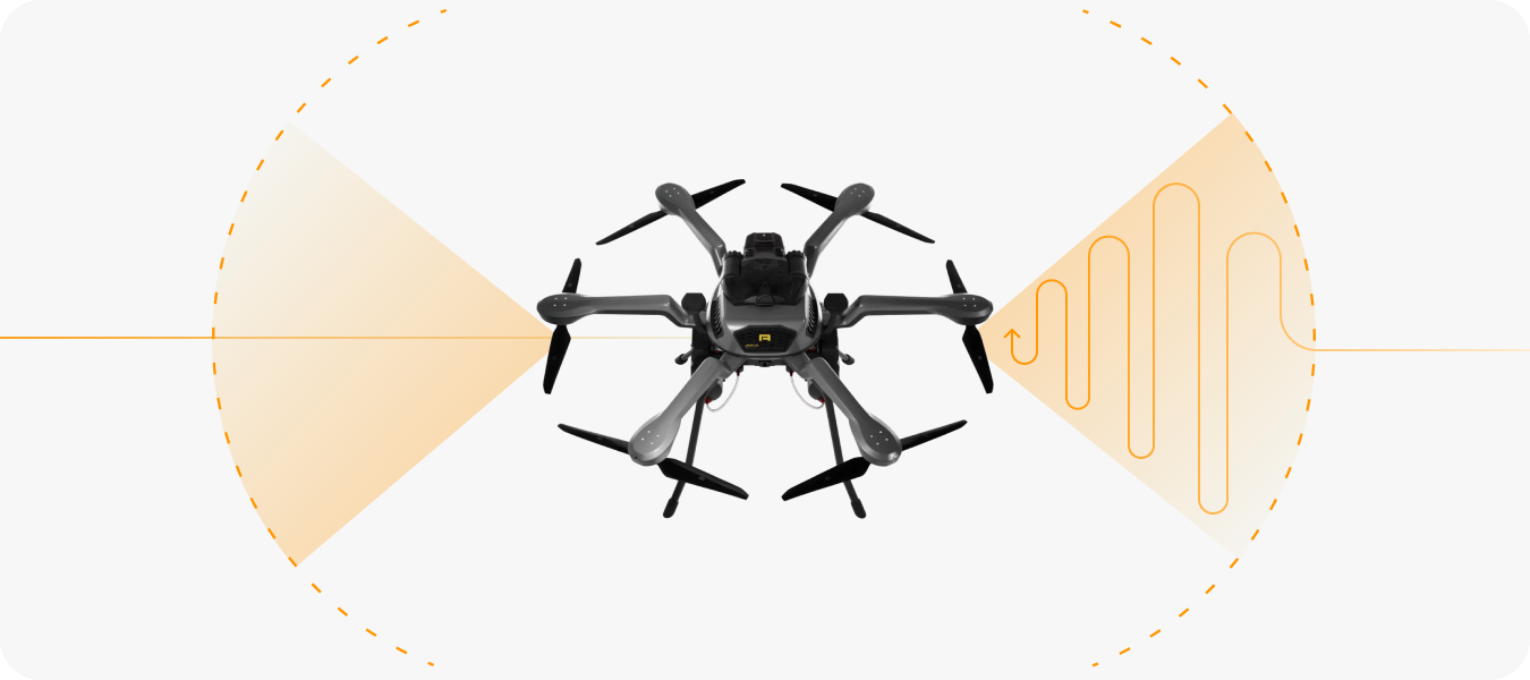
Mesh architectures that can self-heal are crucial. Networks built around a GPS-synced central reference point are fragile when GPS is denied. Self-forming, self-healing mesh networks keep connections by spreading coordination across nodes, so losing a reference signal does not bring down the whole network.
C2 resilience under positional uncertainty. Command and control architectures need to remain functional when platforms don’t know precisely where they are or what’s the team coordinates. This means designing for degraded-position operations, not just full-capability ones.
The Broader Design Shift
GPS denial is accelerating a fundamental change in how communications systems for UAVs are designed and deployed. The new model treats GPS denial as the baseline and not an exception. Systems that can’t operate without GPS aren’t deployment-ready for contested environments, where they matter the most.
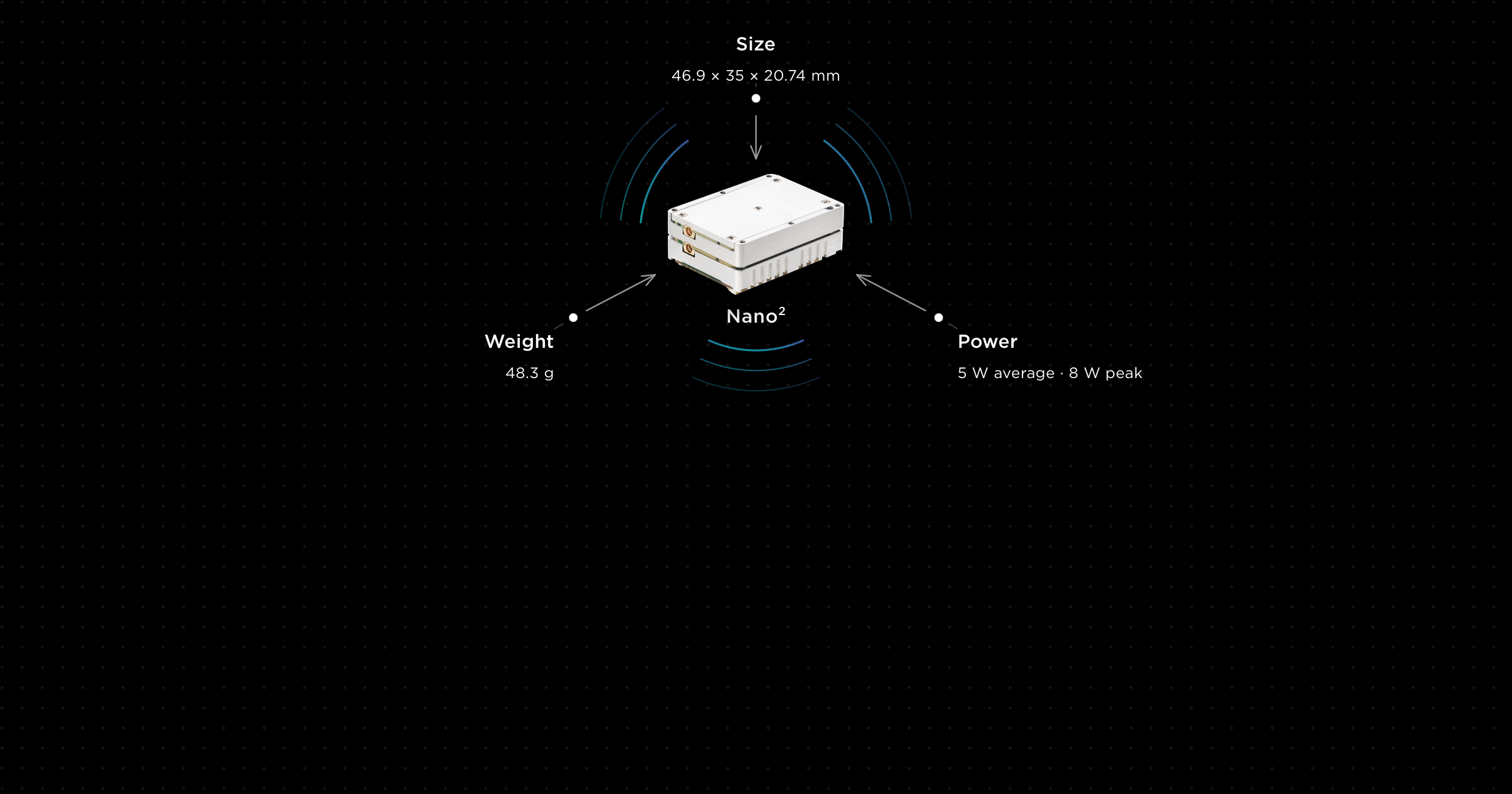
At Doodle Labs, we’ve always included GPS-independent operation as a crucial element in our design process, and not as an afterthought. Our products are designed to be frequency-agile, mesh-networked, and built to maintain connectivity in contested environments.
Learn more about Doodle Labs’ technology at https://doodlelabs.com/technology/.