



Electronic warfare is quietly but significantly changing
In the past, the main threat was strong interference, using wide noise to block communications with power. Risk now comes from smart jamming systems that can learn, react, and keep going. With this emerging tech, maintaining connectivity is not just about having a stronger signal. How quickly and intelligently a communications link can adapt is essential.
Noise vs. Smart Jammers: Why Agility Matters More Than Raw Power
Traditional noise jammers work by flooding large segments of airwave frequencies with interference to block real signals. How well these jammers work depends on their strength and proximity to their target. While these jammers are still used and in some instances still effective, they are now being joined or replaced by smart jammers that can identify and attack specific communication links.
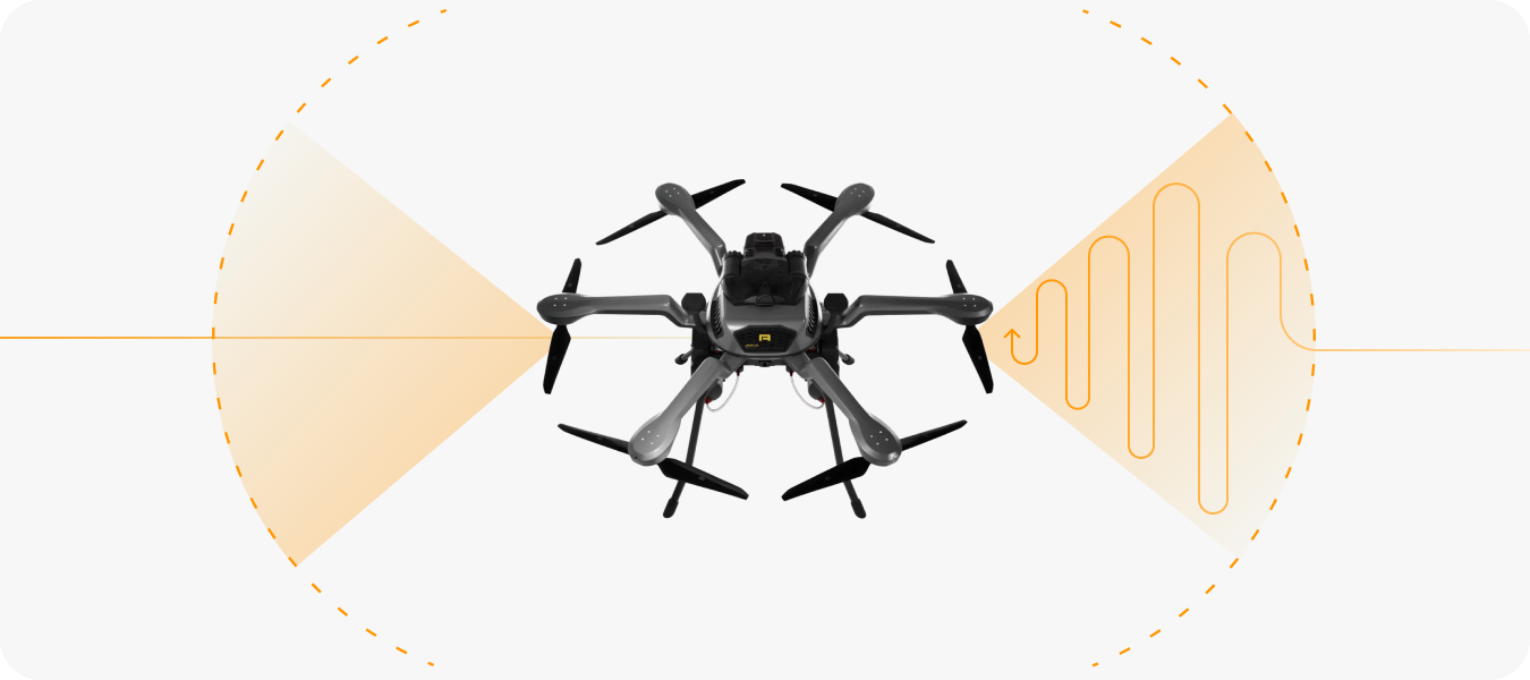
Smart jammers, on the other hand, scan for active signals and target their attacks with precision. They use less power but are more effective against stable signals. To avoid downtime, advanced communication links prioritize flexibility and adaptability over raw strength. They quickly adjust their operations to avoid detection and blocking, rather than just trying to be louder than the interference.
Frequency Agility Explained Simply
A frequency-agile system can quickly switch frequencies when it detects interference, crowding, or danger. This requires continuous sensing and the ability to change operating frequency.
Continuous Spectrum Sensing
Flexible systems continuously monitor radio waves, spotting which channels are busy, new patterns of interference, and possible signs of jamming. The link can proactively prepare for problems before they occur, avoiding reactivity.
Rapid Escape to Clean Channels
When interference is found or expected, a flexible link can quickly switch to a different frequency with almost no delay. The goal is not just to move, but to do it faster than the enemy can keep up. Good frequency agility keeps communications going during persistent or focused attacks.
Randomization as a Defensive Weapon
Following a predictable pattern creates vulnerabilities that jammers can exploit. Tactics like using the same frequencies, regular switching patterns, or set timing provide enemies a chance to find and block communications. Flexible systems lower this risk by intentionally incorporating randomness into how they send signals.
By changing which frequencies they use, how long they stay on each one, or how they pick channels, communication links become much harder to follow or predict. Randomization makes it harder for jammers to find and block signals, requiring them to spend more time and effort to catch up. This extra time can be the difference between being blocked and completing the mission.
Switching Speed as a Survivability Metric
In compromised environments, the adaptability of a comms link predicts its likelihood of maintaining connectivity. Switching frequencies, changing signal types, or picking new routes ensures data links stay ahead of being found and targeted.
Switching speed is not about performance measurement; it’s a defensive tactic. Systems that can change in milliseconds are exposed for less time and maintain uptime even as enemies actively attempt to jam the link.
Milliseconds Matter Under Adaptive Attack
Modern jamming systems operate in fast cycles, monitoring signal behavior and changing their attack almost instantly. Against these threats, even delays of a few milliseconds can decide if a link keeps working or gets blocked.
Flexible communication systems built for quick sensing, alteration, and swift action help safeguard stable and secure communication links during advanced electronic attacks. In contested environments, the ability to adapt how a link works is not a bonus but a mission-critical requirement.
NEW – Sense EW Release from Doodle Labs
As battlefield conditions evolve, Doodle Labs is leveraging our historic focus on communications resilience in dynamic and contested environments to support drone OEMs and operators.
Released on March 17th, 2026, our brand-new Sense EW protocol responds to the evolving battlefield needs from our customers. Link assurance from Doodle Labs delivers an integrated hardware and software system designed to assure links in contested environments.
The release delivers features across three key pillars:
- Anti-detection/Anti-interception
- Adaptive link intelligence
- Anti-jamming resilience
As drone technology scales in volume, sophistication, and deployment, Doodle Labs is continuing to innovate to ensure communications resilience and adaptability.
Learn more about our new Sense EW solution here, and learn more about the evolving needs for communication resiliency in electronic warfare environments in our Link Assurance Playbook.