


As unmanned systems become critical in military operations and defense planning, drones are transitioning from specialized tools to foundational mission components. From Intelligence, Surveillance, and Reconnaissance (ISR) to targeting and force protection, modern warfare, specifically electronic warfare, now depends on drone communications to deliver persistent, real-time capabilities across a wide range of systems and environments.
However, as reliance and deployment of unmanned systems grow, so does exposure to a critical vulnerability: command and control (C2).
In places where electronic warfare, contested airwaves, and interference are common, a drone’s value is not determined by how long it can fly or what it can carry. In these tough environments, what matters most is maintaining uptime on the command-and-control link, even under poor conditions.
What C2 Resiliency Really Means
C2 resiliency refers to a system’s ability to maintain usable control and data transmission despite changes in the electromagnetic environment.
Resilient systems are designed to function in degraded or denied battlefield environments, where interference persists and adaptability is essential, rather than optimizing communications for ideal conditions.
This shift in design and security standards demonstrates a larger change in how military evaluates drone systems.
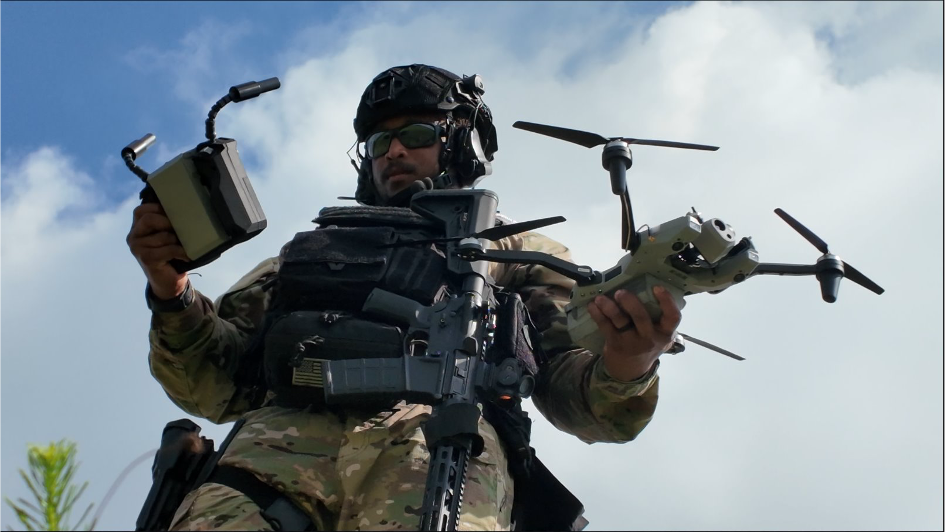
The Operational Reality of Contested Environments
Modern drone deployments are expected to function in conditions where communications links may be:
- Actively jammed
- Subject to interference
- Congested by friendly or adversarial systems
- Disrupted by dynamic spectrum conditions
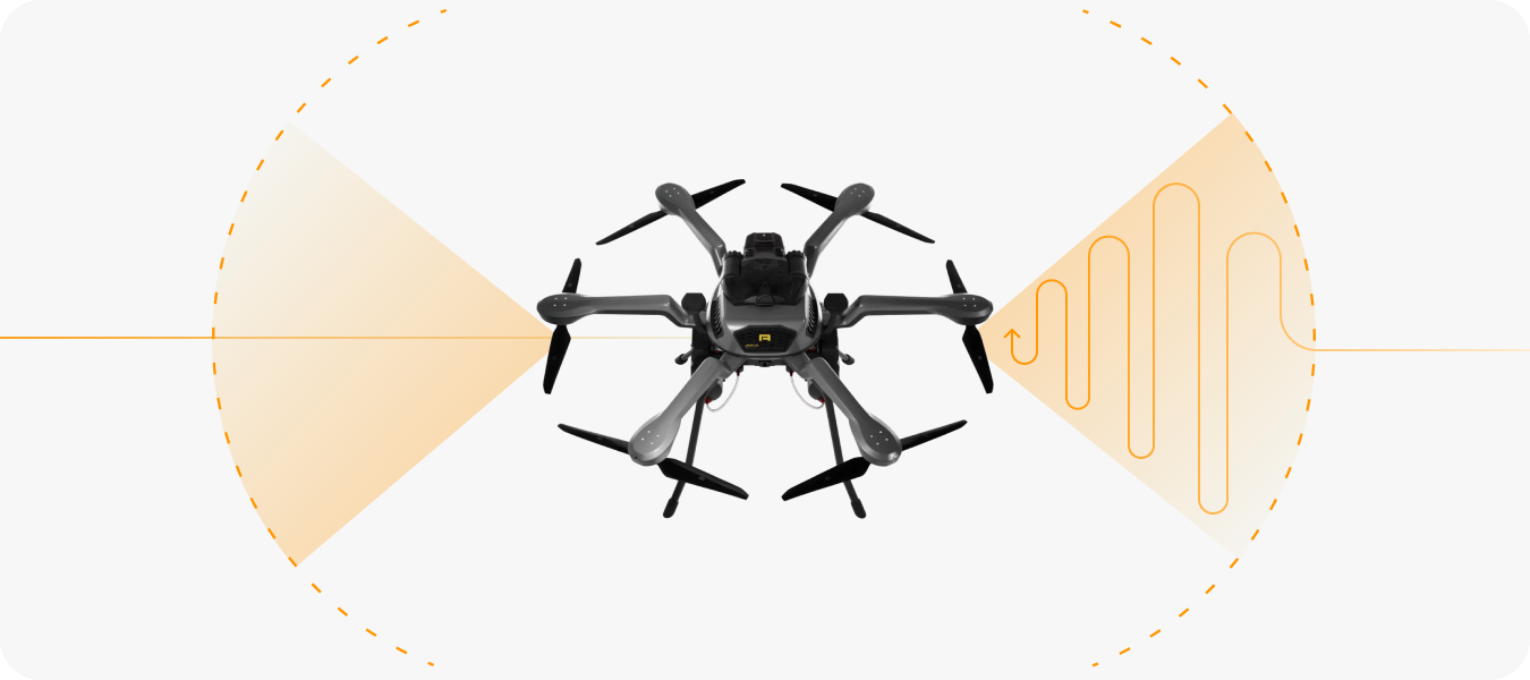
In these environments, even advanced drones can become unusable if they cannot maintain secure and stable communication links. Loss of C2 resiliency does not just cause performance degradation; it puts the entire mission at risk.
Because of these growing threats, military and government programs like Drone Dominance are placing greater emphasis on systems designed to maintain secure connectivity in contested environments. This level of C2 resiliency enables operators to retain control of unmanned vehicles and maintain mission continuity even when conditions deteriorate.
Scale Amplifies the Challenge
As initiatives like Drone Dominance move military drone programs toward mass deployment of low-cost, attritable systems, the importance of resilient communications rises significantly.
Every deployed drone creates an additional communications link that must integrate securely, operate reliably, and remain affordable at scale. Subsystems and components that are fragile, proprietary, or priced out can quickly become limiting factors in programs expecting high-volume deployment.
In this context, communications infrastructure must be engineered not only for performance, but for OEM integration, government compliance, and supply chain readiness.
C2 resiliency is now a critical requirement for scalable operations.
At Doodle Labs C2 Resiliency Is A Mandate
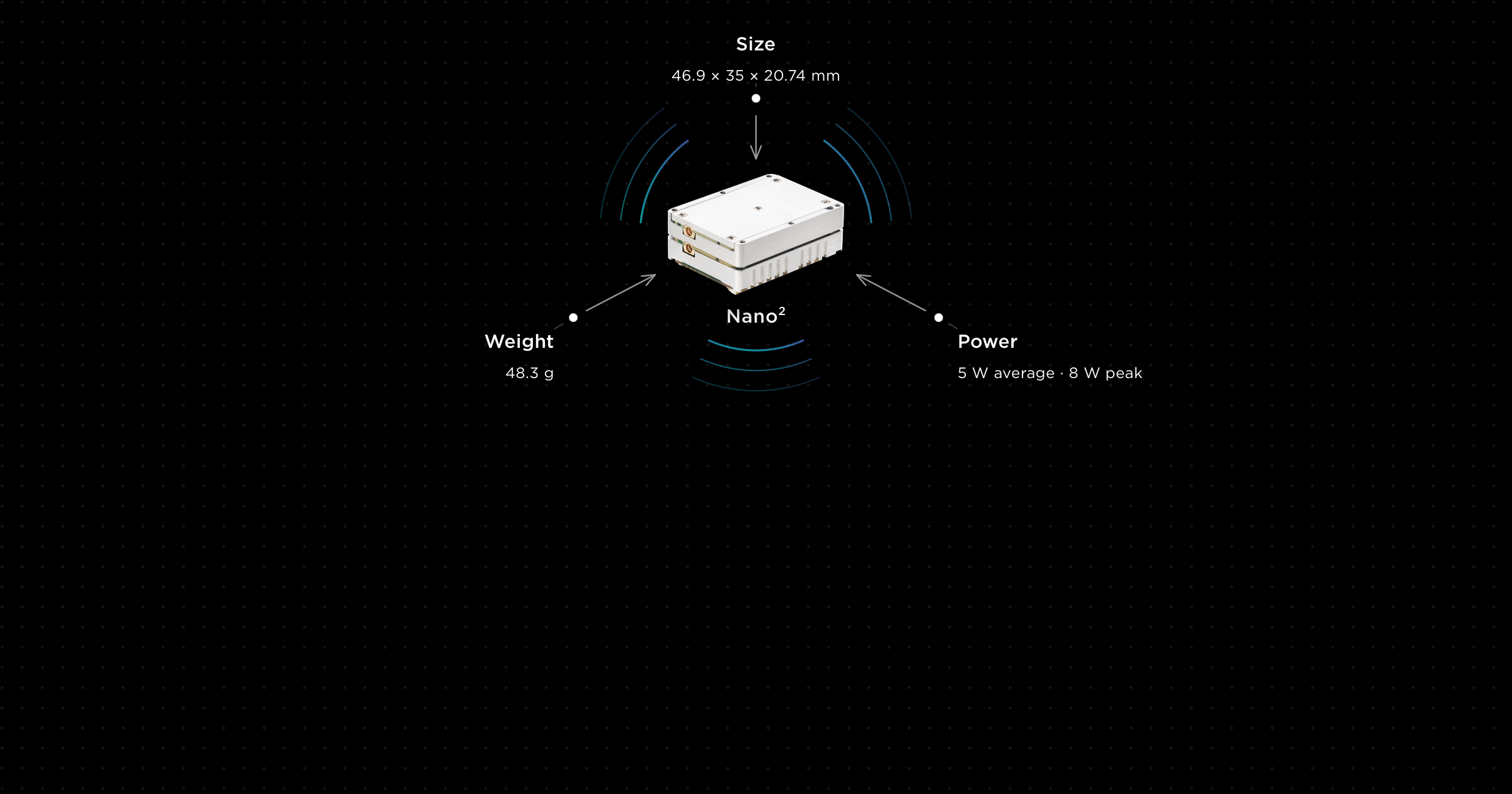
With over 200,000 radios produced annually and a roadmap aligned with developing Drone Dominance program phases, Doodle Labs provides communications infrastructure that facilitates both operational resiliency and large-scale deployment.
Our components are designed to support reliable communication control and data transmission in contested environments, while enabling drone OEMs to maintain control of their system architecture.
Visit www.doodlelabs.com to learn more.