

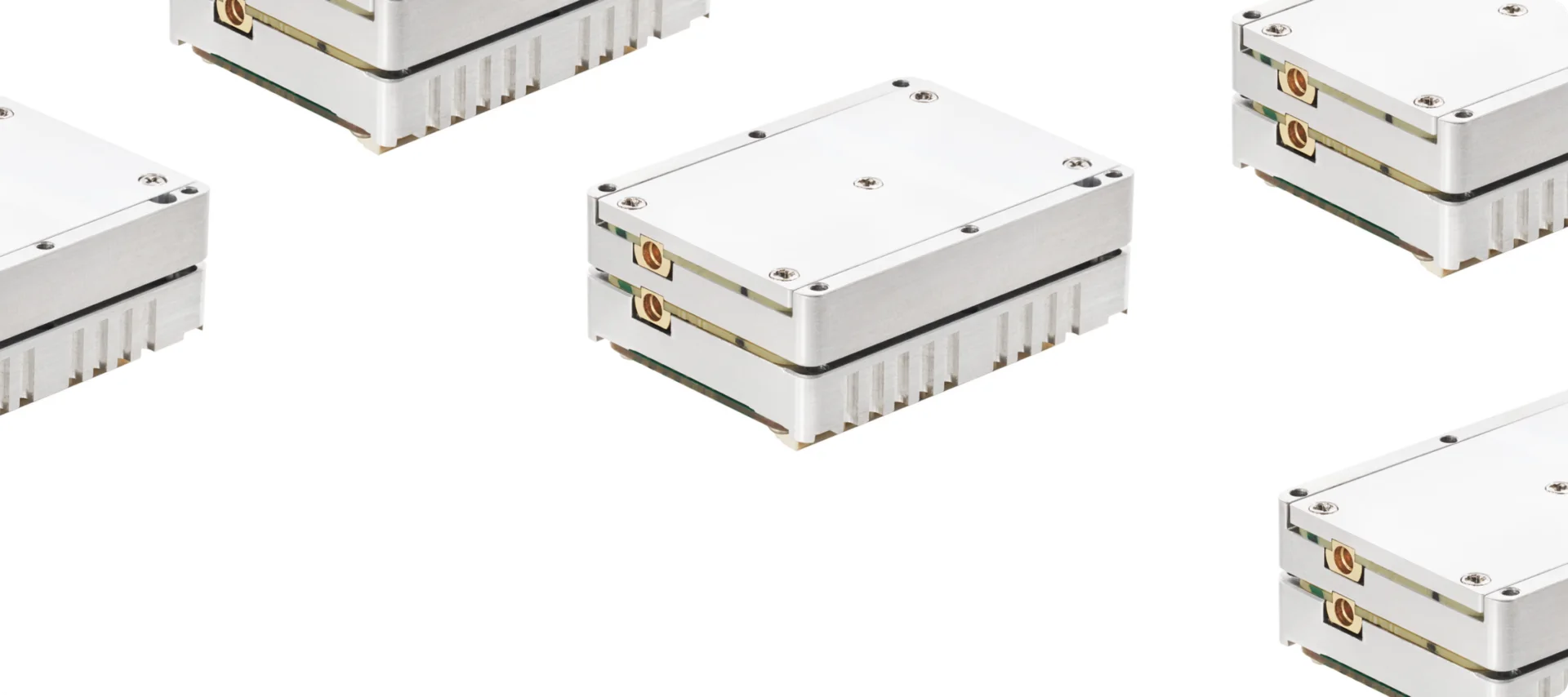
FREQUENCY
Wideband coverage
One radio architecture spans multiple frequency bands.
Key features
 9 bands
- including 900 MHz + 2.4 GHz, M1-M6, L+S, and NATO-C
Connectivity across range, spectrum and changing conditions.
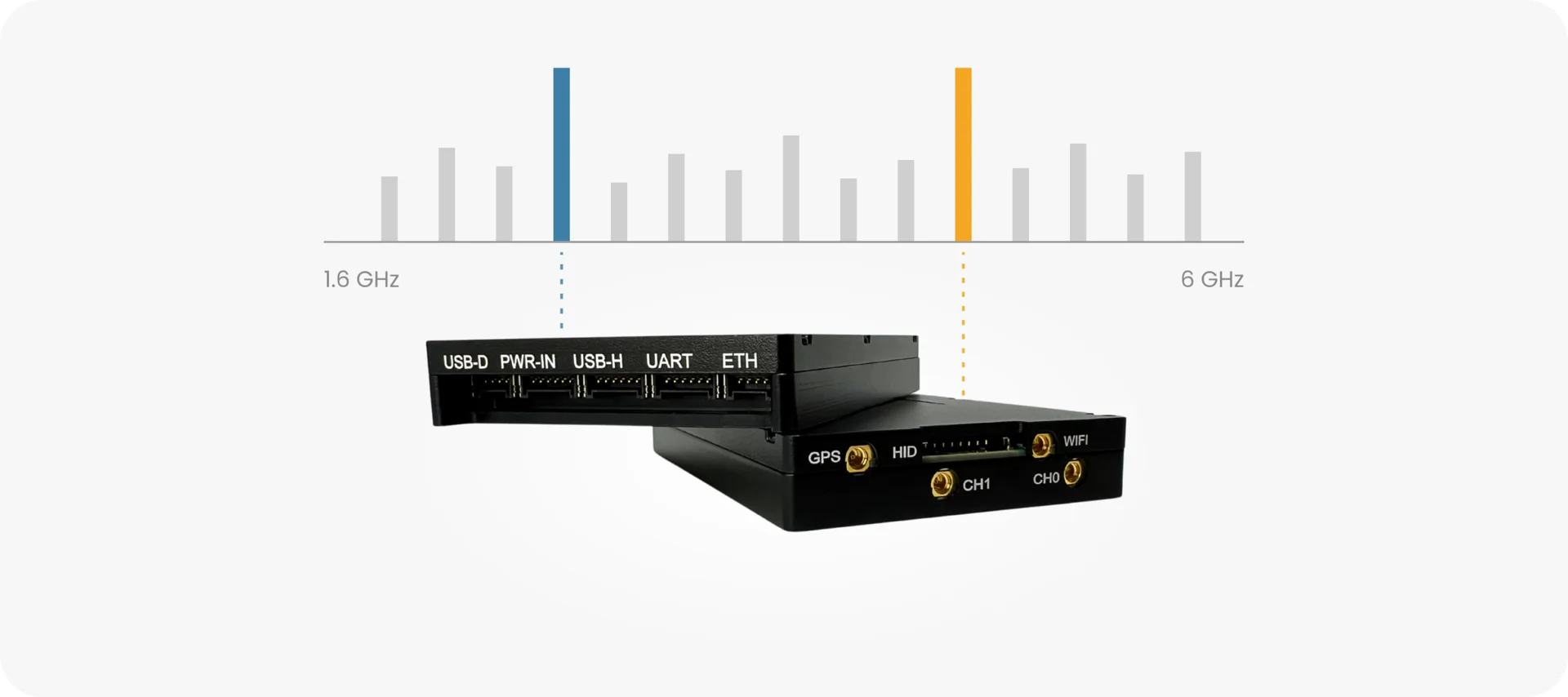 BlogIntroducing Mesh Rider® Dual Radio: Two independent bands. One unbreakable link.BlogIntroducing Mesh Rider® Dual Radio: Two independent bands. One unbreakable link.
The latest stories, insights and events from Doodle Labs.

More bands per radio means room to route around jamming and regional limits, in any condition, any location.

Different regions, programs, and missions authorize different parts of the spectrum. A radio built for one band has to be swapped or redesigned each time those requirements change, giving adversaries a potential advantage.
Doodle Labs radios operate across frequencies ranging from 255 MHz to 5,925 MHz, giving OEMs the flexibility needed to support resilient and interoperable communications across regions and missions.
Talk to salesDoodle Labs designs multiband radios to cover 255 MHz to 5,925 MHz in a single SKU, deploy globally without export friction, adapt automatically as spectrum conditions change, and support the same architecture across platform sizes.
One radio architecture spans multiple frequency bands.
9 bandsincluding 900 MHz + 2.4 GHz, M1-M6, L+S, and NATO-CThe same radio deploys on international and coalition programs without a region-specific variant, and is built to meet the security and interoperability standards defense programs require.
Designed to be non-ITARNo region-specific variantsDeployed in operational systems supporting U.S. military missionsAES 256-bit encryption, upgradable to FIPS 140-3 compliant standardsNATO-aligned spectrum environmentsWideband coverage only pays off if the radio can also move across those bands on its own.
Sense EW monitors link quality continuouslyAutonomous relocation to clean spectrumMulti-band radios allow command, video, and relay links to operate across different spectrum bands, improving reliability and resilience in contested environments.
See productsMulti-node mesh relays extend operational range and improve connectivity across complex terrain.
Our technologyC-Band radios support allied interoperability and alignment with NATO spectrum allocations.
See case studiesOur radios stay connected, stable, and low-latency well beyond where others drop out.
Doodle Labs' Link Assurance delivers battle-proven EW resilience, preserving the link when it is under attack.
Doodle Labs' self-healing mesh reroutes around broken links automatically, with zero operator intervention needed.
More bands per radio means room to route around jamming and regional limits, in any condition, any location.
A scalable, non-ITAR, NDAA, and Blue UAS-compliant supply chain, built to deliver 200,000 radios a year.
Doodle Labs radios carry video, telemetry, and control together, prioritizing control automatically when bandwidth tightens.
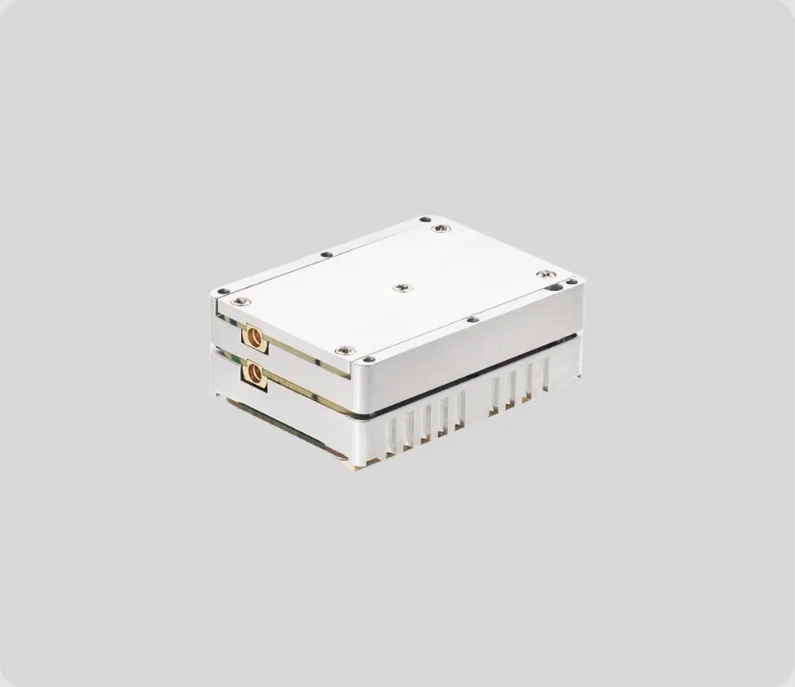
Full Mesh Rider® performance in a small form factor. Nano² packs full Mesh Rider throughput, range, and mesh networking into a footprint built for space-constrained platforms.
Weight: 41 g Dimensions: 46.9 × 35 × 20.7 mm
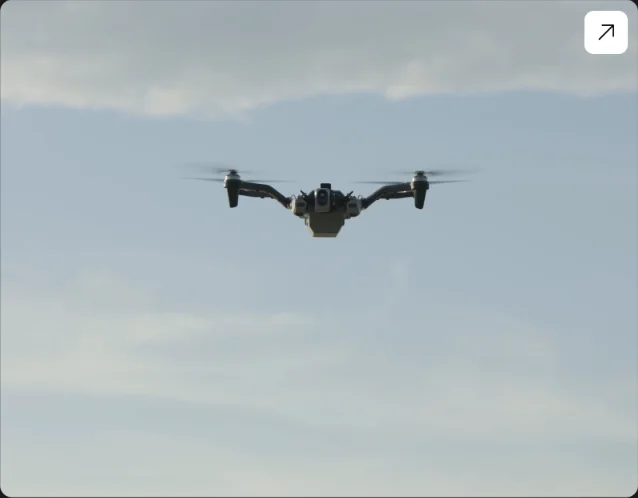
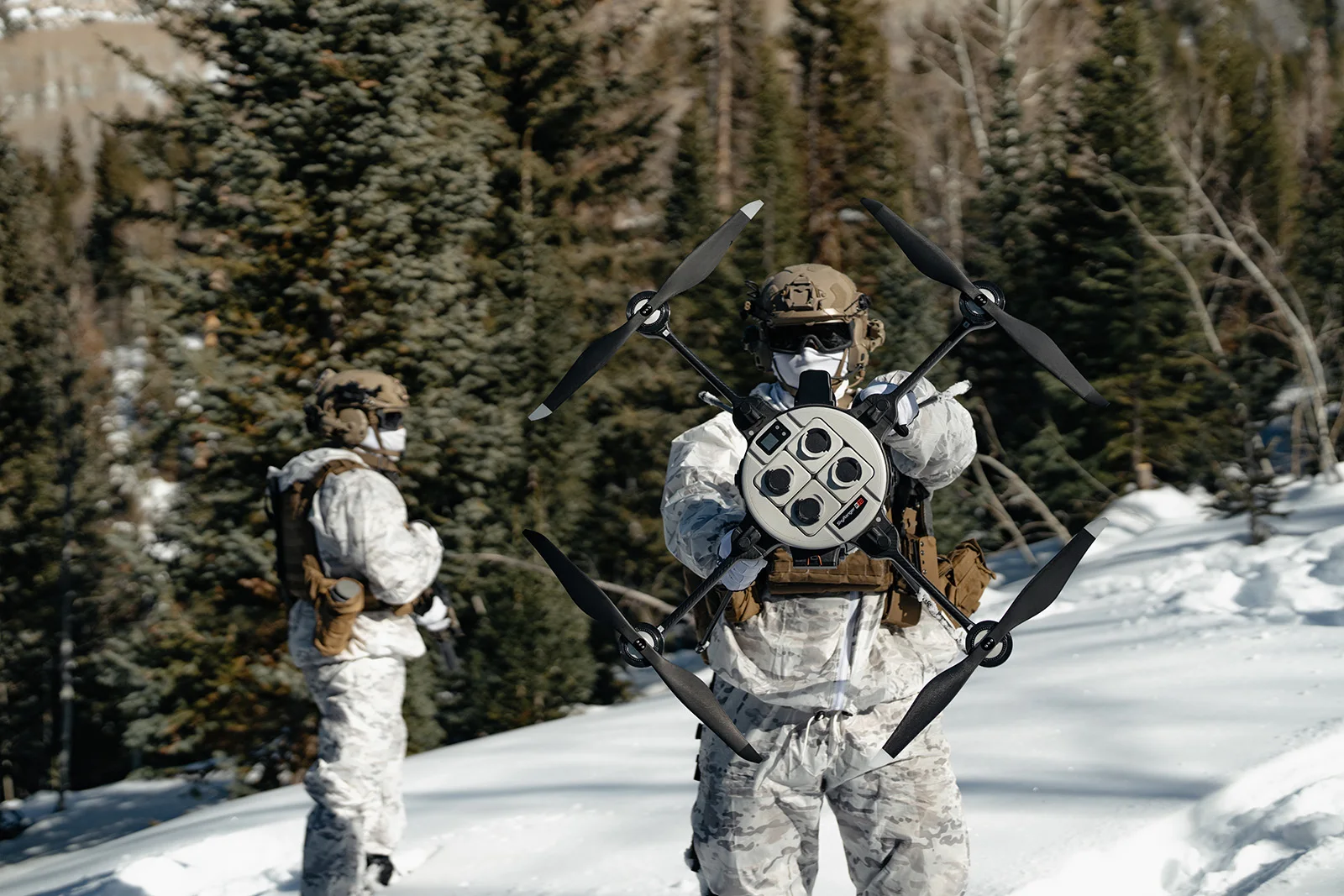
Learn how Doodle Labs’ NM915-2G radio supports the Teledyne FLIR SkyRanger R70 with compact connectivity for long-range video and telemetry.
 Featured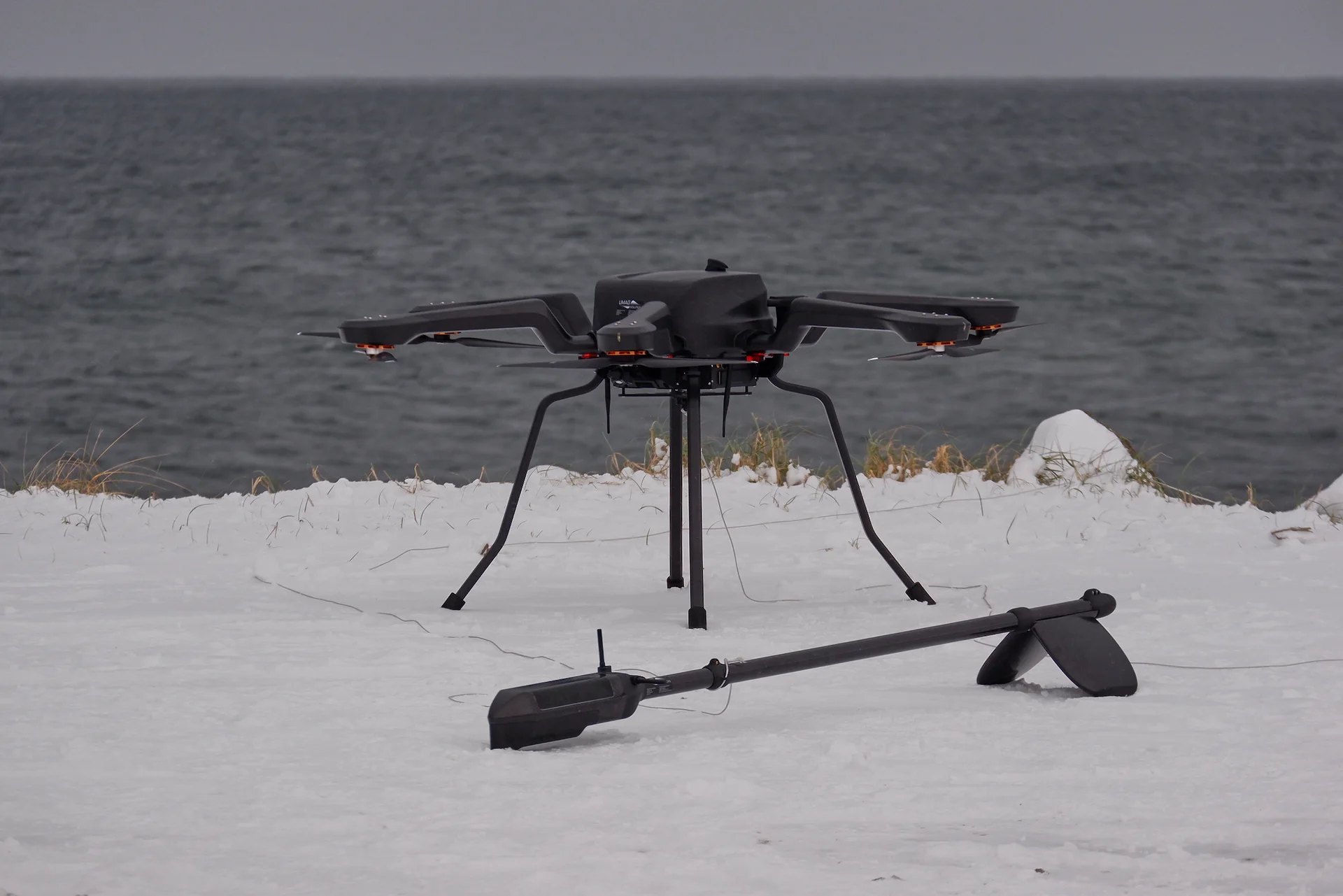
See how UMAG Solutions integrates Doodle Labs Mini radios into F1Mag to transmit magnetic survey data with low latency during near-surface drone operations.

Explore how BlackSea Technologies integrates Doodle Labs Helix radios into GARC unmanned surface vessels for maritime control, video and data communications.

Explore how Freefly Systems integrates Mini Mesh Rider Radios into Astro to support communications for industrial drone inspection and data collection.
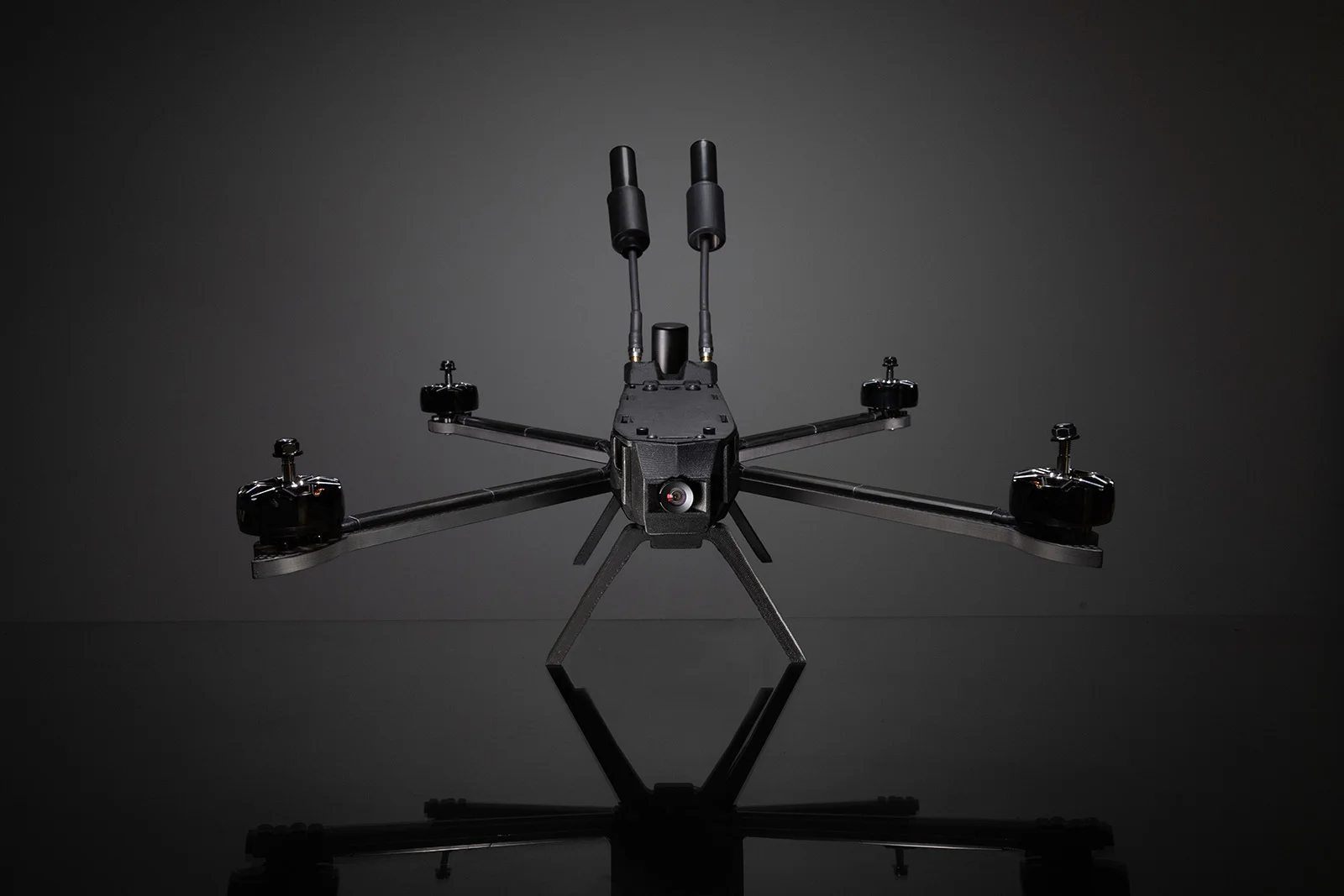
Learn how Auterion Government Solutions integrates Doodle Labs Mini radios with Dragon and Skynode S to support open-architecture drone communications.

Learn how Doodle Labs can meet your teams’ needs.
Loading contact form…