


Drone OEMs are keeping production capacity, and not just performance specifications, at the center of focus in the Drone Dominance program. Because scalability is now a primary measure of excellence in the unmanned space.
The U.S.Drone Dominance program requires the defense industrial base to produce, field, and sustain affordable drones at an unprecedented scale, and not just deliver improved prototypes. High-performing radios are insufficient if only 500 units can be shipped annually.
Supply Chain Is a Strategic Differentiator
Red Cat Holdings chief executive Jeff Thompson stated in an Axios interview: “It’s all about production. The factory is the weapon.” Defense procurement teams now evaluate scalability and supply chain readiness alongside technical performance.
Hardware specifications don’t reveal whether a supplier can deliver 10,000 units in six months or whether a single-source component might delay the entire program. Moreover, supply chain risks often emerge only after a vendor is selected, and as a result, delivery schedules begin to slip.
Where Traditional Drone Component Suppliers Fall Short
Most drone component supply chains were designed to fulfill orders, not sustain large government programs. The industry must address these growing pains to meet Drone Dominance requirements:
- Single-source components are a frequent failure point. Disruptions from export restrictions, manufacturing delays, or geopolitical pressures could halt entire programs.
- Overseas dependencies increase risk. Sourcing components outside the United States adds lead-time uncertainty and potential NDAA compliance issues.
- Custom components and non-modular designs increase costs and reduce flexibility.
The program expects vendors to have addressed these challenges.
How We Built for Scale
We developed our supply chain infrastructure with the expectation that communications would be a high-volume, program-critical component. This influenced our product architecture and manufacturing investments from the outset.
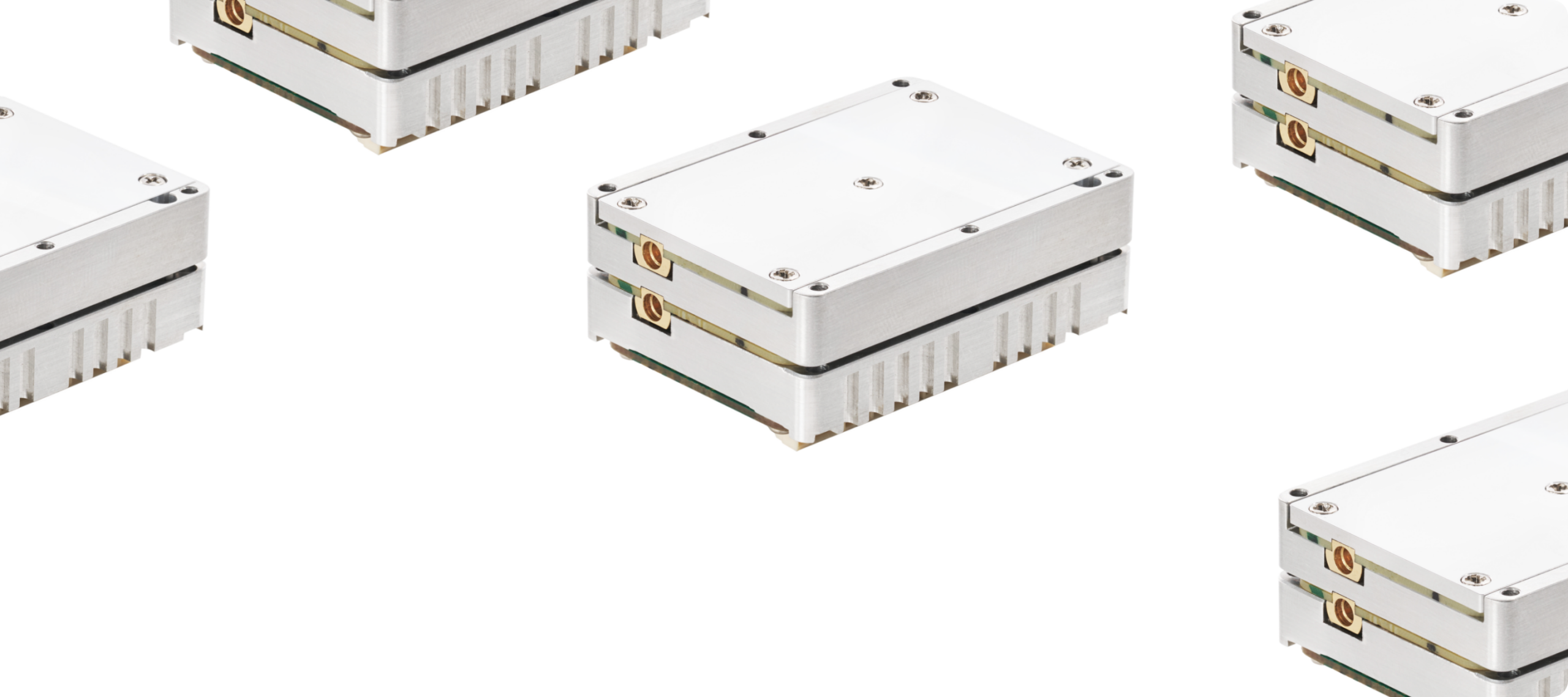
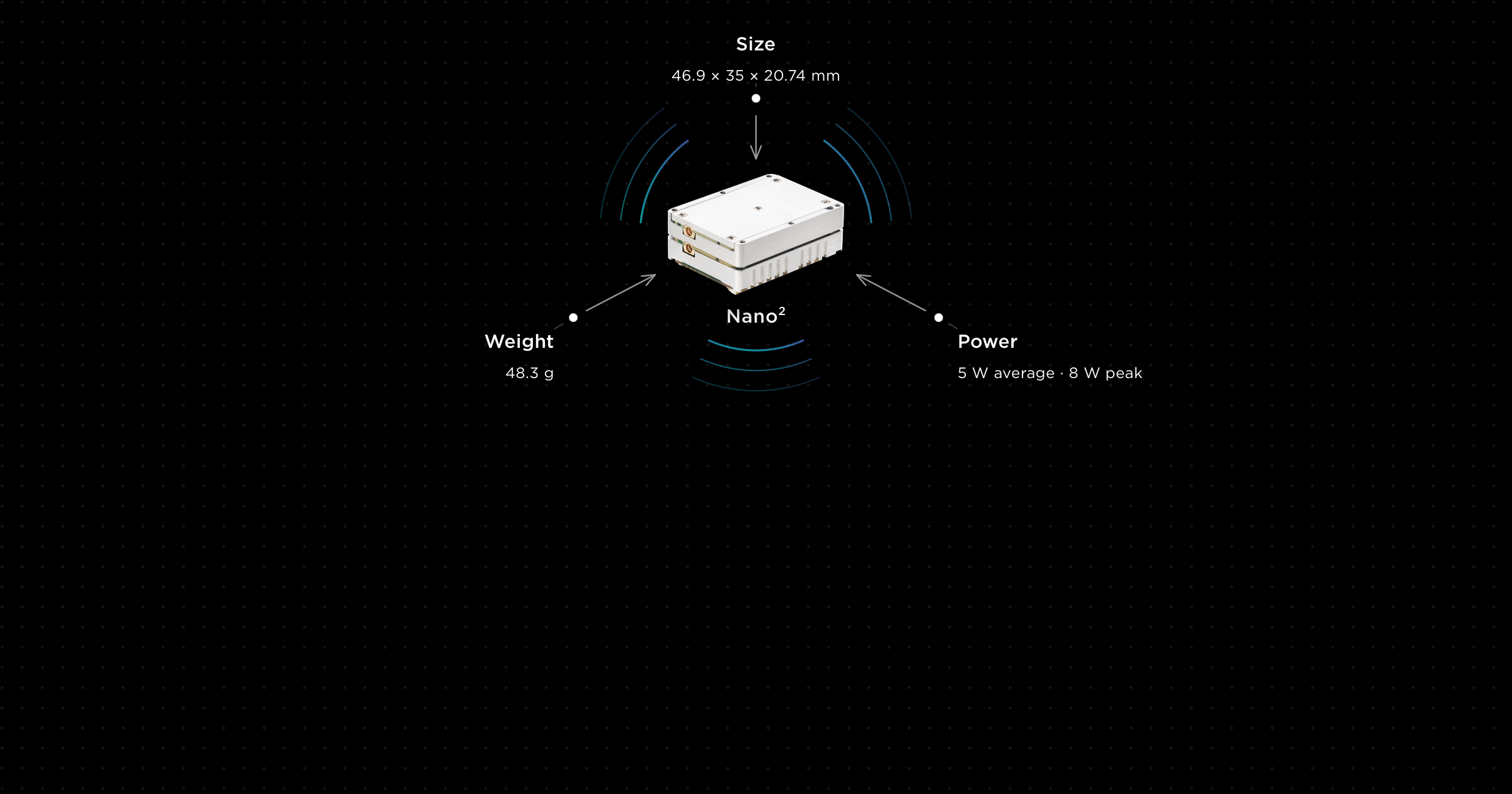
We build our Mesh Rider radios on a common hardware platform across product variants. This approach minimizes unique components, shortens lead times, and reduces complexity.
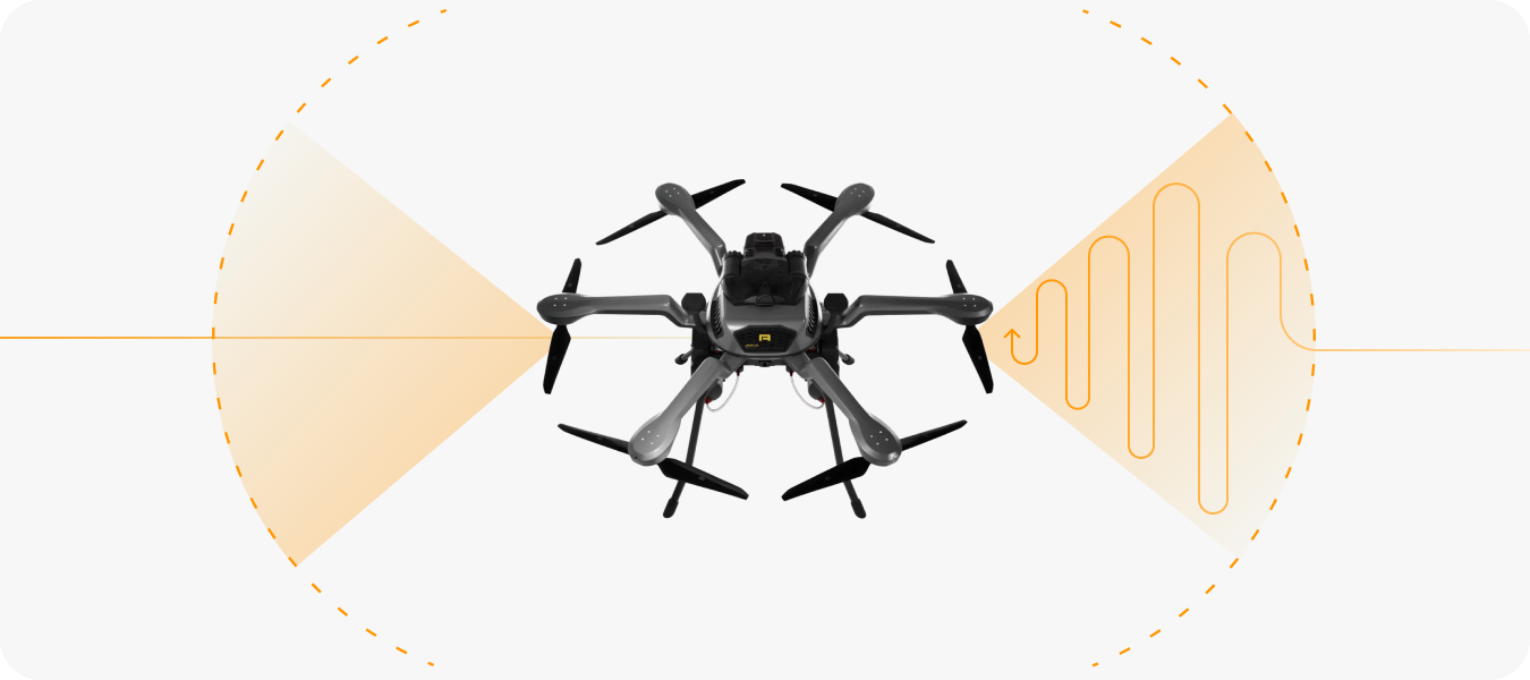
Multi-band capability further reduces supply chain complexity, since radios that cover multiple frequency ranges can support various regulatory environments and mission profiles without needing separate hardware designs. Fewer SKUs simplify inventory management, lower stockout risk, and provide more predictable delivery for OEMs.
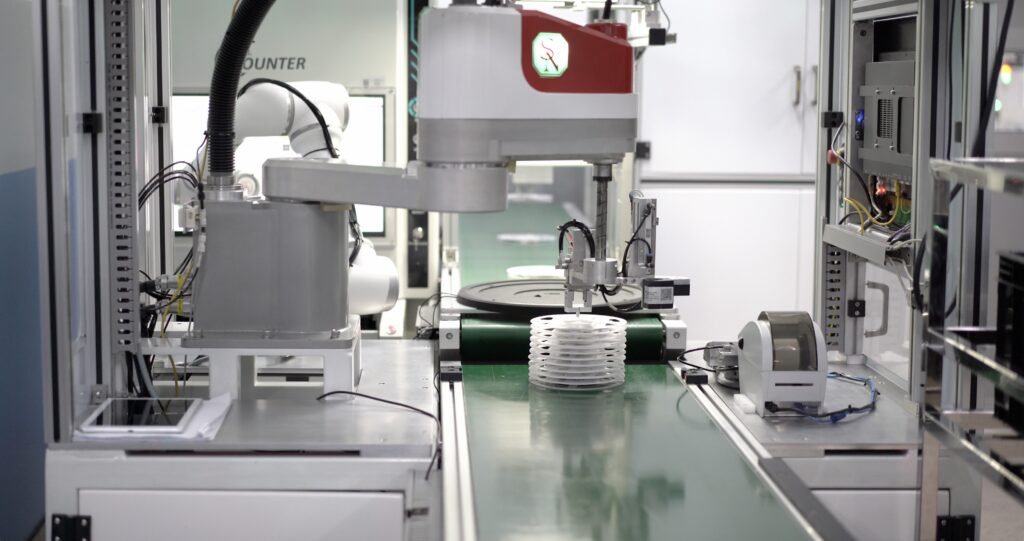
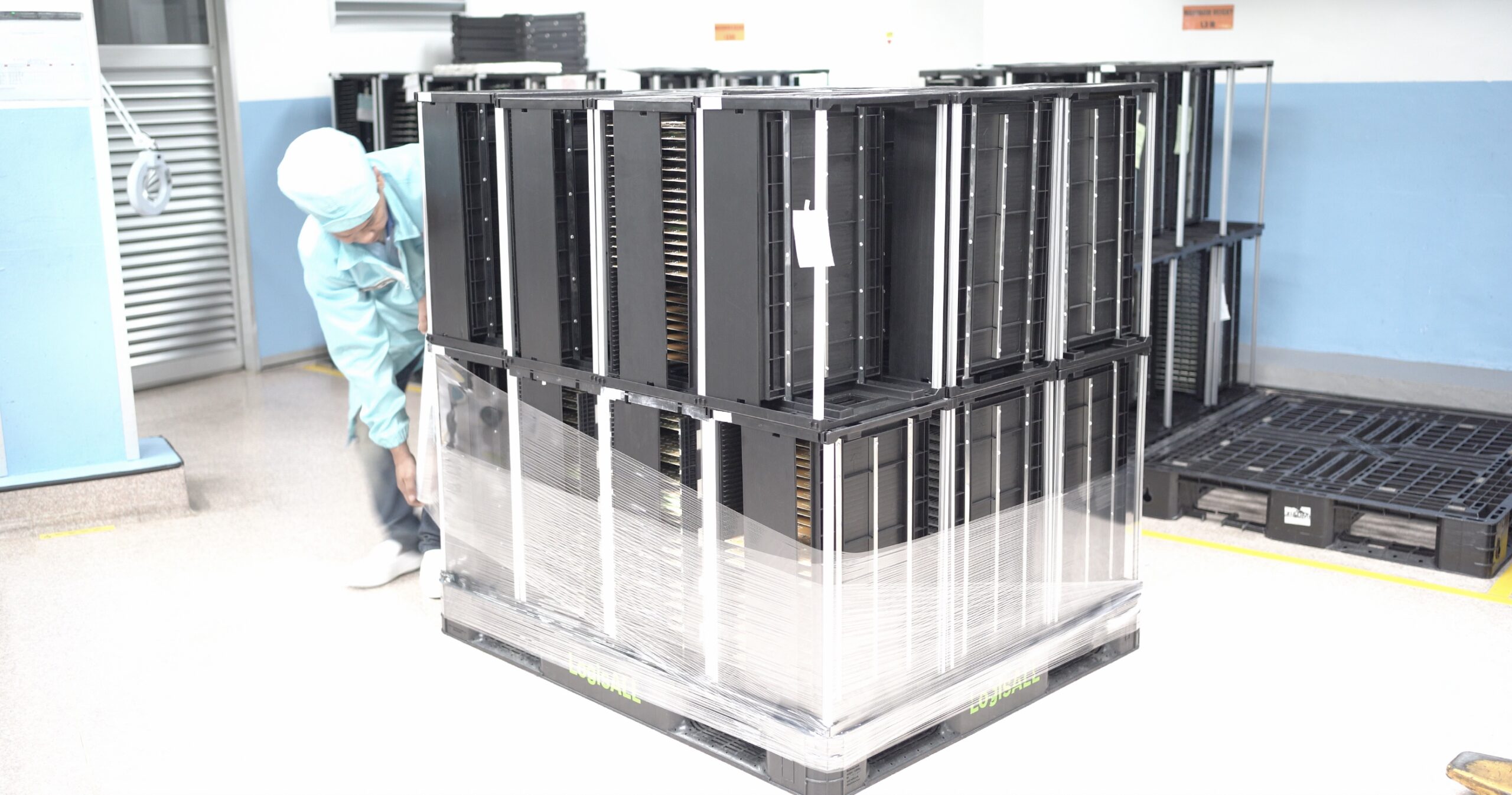
We produce over 200,000 radios annually. Additionally, our commercial-scale manufacturing capacity provides leverage with component suppliers, so we can meet increased defense program demands through our existing infrastructure.
We’ve structured our entire supply chain to meet NDAA compliance requirements, by maintaining component-level sourcing visibility and integrating compliance into our manufacturing process.
Supply Chain Structure Determines Unit Cost
Production at scale delivers cost savings only if the supply chain supports it. Our pricing for Drone Dominance Phases I and II is under $1,000 per radio, with a target of several hundred dollars per unit at Phase III volumes and beyond.
This cost trajectory relies on volume commitments with suppliers, a stable bill of materials, and production line efficiency. Each requires intentional supply chain design. Cost reductions do not occur automatically with increased order volumes.
We already produce components at scale, and our pricing reflects the efficiencies of large-scale production.
What the Cost Advantage Means in Practice
For OEMs meeting Drone Dominance requirements, communications component costs escalate rapidly at scale. The difference between $1,000 and $500 per radio, multiplied across thousands of units, significantly impacts program viability.
Attritable drone platforms are designed to accept operational losses, which requires communications components to be priced accordingly. Radios priced as high as the airframe are incompatible with this model. Our pricing reflects this reality.
Our pricing demonstrates the efficiencies achieved through large-scale production.
Supply Chain Reliability Has Operational Impacts
OEMs evaluating communications components for Drone Dominance must consider different criteria than those used in prototype competitions.
- Can the supplier deliver at program volumes without increasing lead time risk?
- Is the component architecture stable enough to support multi-year procurement without requiring hardware redesign?
- Does the supplier’s compliance align with program requirements from the initial delivery?
We measure lead times in weeks, not months. We have over 20 years of manufacturing experience across commercial and defense markets. Our Mesh Rider radios are also Blue Unmanned Aircraft System (UAS) approved and NDAA-compliant today, not pending future certification.
We maintain pace as programs transition from evaluation to contract.
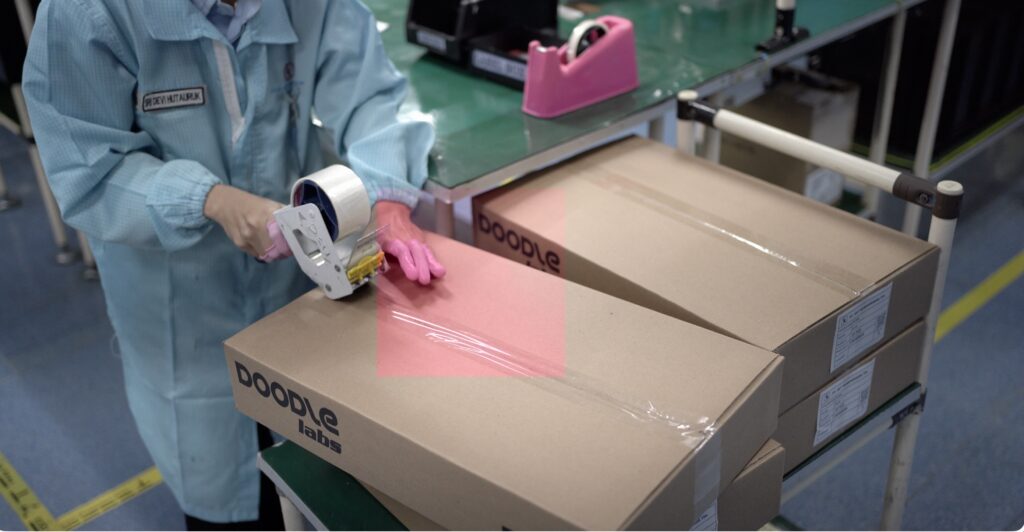
Doodle Labs is Drone Dominance Ready
The Drone Dominance program sets three requirements that must all be met simultaneously: communications that perform in contested environments, communications that scale to program volumes, and communications priced to support attritable platforms. We meet all three.
We manufacture at scale, on schedule, and at a cost that ensures program viability. Our radios are already deployed in U.S. defense programs, and our supply chain supports the required volumes for Drone Dominance.
Learn more at https://go.doodlelabs.com/drone-dominance.