


The new battlefield reality is that radio frequency (RF) spectrum over active conflict zones is contested, congested, and constantly changing. Jamming is no longer an infrequent threat but an expected dynamic of every mission. The question has shifted from “can you resist radio jamming?” to “can your platform operate across the entire spectrum?”
Static, single-band radios cannot answer that question. They survive or fail depending on conditions in a single piece of the spectrum; if that piece is targeted, the link goes down. This is bigger than jamming; this is spectrum denial.
Why Anti-Jamming Alone Is Not Enough
Frequency hopping and power amplification are common countermeasures against jamming, but both have significant limitations.
Frequency-hopping cycles through channels within a single band and is effective against narrowband jamming. However, wideband and adaptive jamming systems can target the entire band. Power amplification increases signal strength, but does not overcome the limitations of operating in a contested band.
Real-world electronic warfare (EW) testing in Ukraine confirmed this. In 2024, Red Cat and Doodle Labs conducted EW tests in Ukraine as part of the U.S. Army’s Short Range Reconnaissance (SRR) program. Teal systems equipped with Doodle Labs’ Mesh Rider radios withstood Russian jamming attempts. The test demonstrated that frequency-agile systems with multi-band capability outperform single-band radios in active EW environments.
The same year, Red Cat and Doodle Labs also participated in the U.S. Army’s Short Range Reconnaissance program. Together, they tested and proved that Teal systems equipped with Doodle Labs’ Mesh Rider radios successfully resisted Russian jamming.
The results showed that frequency-agile, multi-band systems outperform single-band radios in active electronic warfare environments.
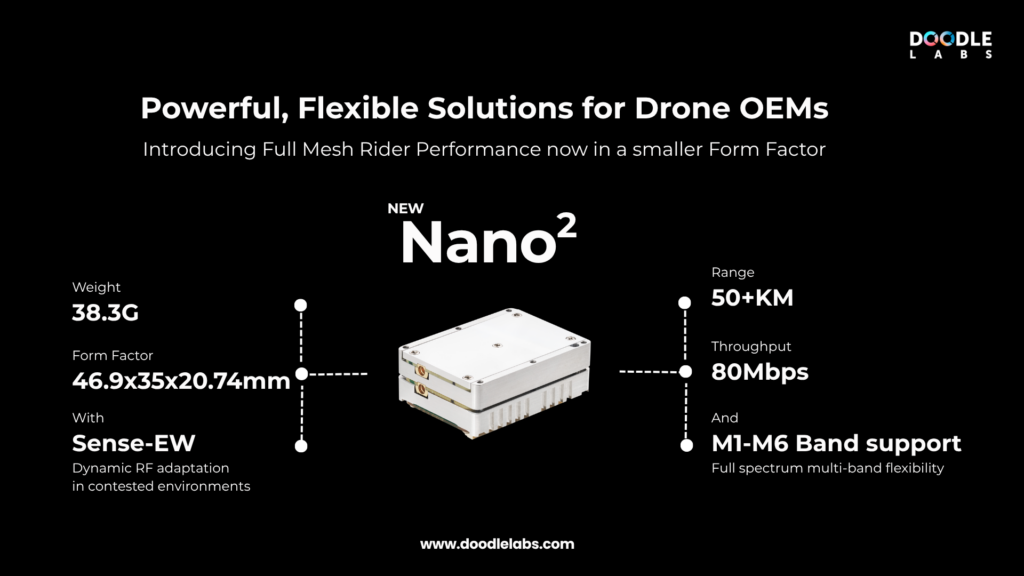
The Case for Multi-Band Communications & What Multi-Band Enables
Anti-jamming features protect a link. A multi-band architecture provides a platform to go to when protection is not enough. Resilience is the ability to move across the spectrum when conditions require it, not just survive in one band.
Multi-band communications links enable your Unmanned Aerial Vehicles (UAVs) across the following:
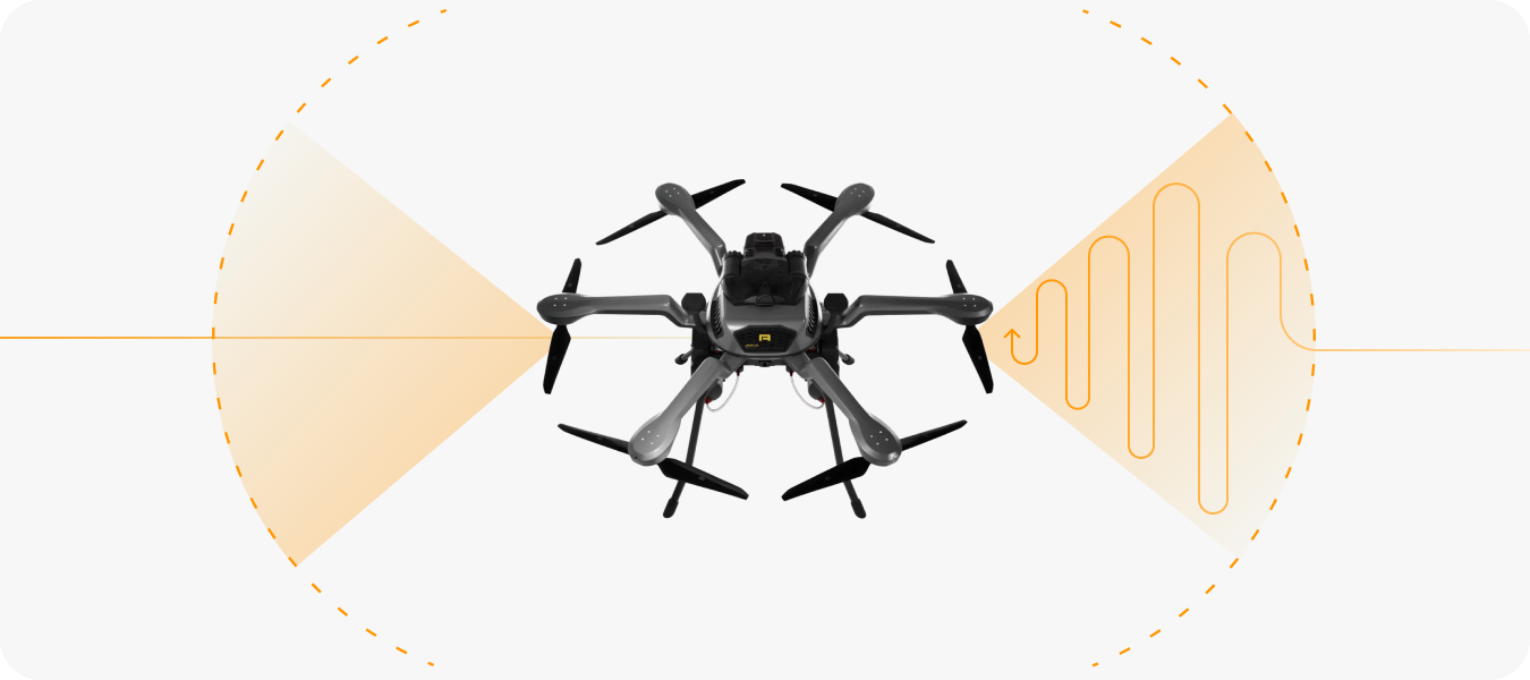
Spectrum Agility: Multi-band radios switch frequencies in real time, moving across bands when interference, congestion, or jamming is detected. This is not manual reconfiguration. Features like automatic band switching and spectrum scanning handle it continuously without operator input. A radio that moves across the spectrum is far harder to deny than one that cannot.
True Redundancy: Dual and multi-band radio architectures provide platforms with a fallback when one band is denied. If a primary link is jammed or congested, the system routes through a secondary band without interrupting the connection. Single-band systems have no fallback. Multi-band systems do.
Global Deployment Readiness: Different regions operate under different spectrum regulations. A single-band radio designed for one region may not be legal or functional in another. Multi-band radios support operation across different regulatory environments without hardware changes or redesign cycles. This matters for programs that scale across multiple environments or partners.
Network-Level Resilience: Mesh networks add another layer of protection. When individual nodes face interference, the network routes around it. Multi-band mesh nodes create redundant signal paths across different frequencies. A single point of failure in a single-band network becomes a manageable reroute in a multi-band mesh.
Intelligent RF: The Adaptive Layer
Multi-band hardware is only as effective as the software managing it. Our Sense Technology continuously monitors in-band interference across up to six frequency ranges on a single radio. When it detects signal degradation, it automatically switches to a cleaner channel or band. This is real-time optimization, without operator input and without breaking the link.
Operational Impact
Multi-band communications expand what is possible at the mission level. The product development team at Doodle Labs understands this, and our drone components are designed to ensure your communications links remain intact.
Swarm coordination requires multiple platforms to maintain synchronized links under shared RF pressure. Multi-band systems allow different nodes in a swarm to operate on different bands simultaneously, reducing congestion and increasing overall network capacity.
Drone relay operations across heterogeneous networks depend on radios that can bridge between different frequency environments. Multi-band radios handle this without additional hardware.
Persistent command and control (C2) in denied environments requires a link that can move when needed. Multi-band systems with intelligent switching maintain C2 continuity even when individual bands are actively targeted.
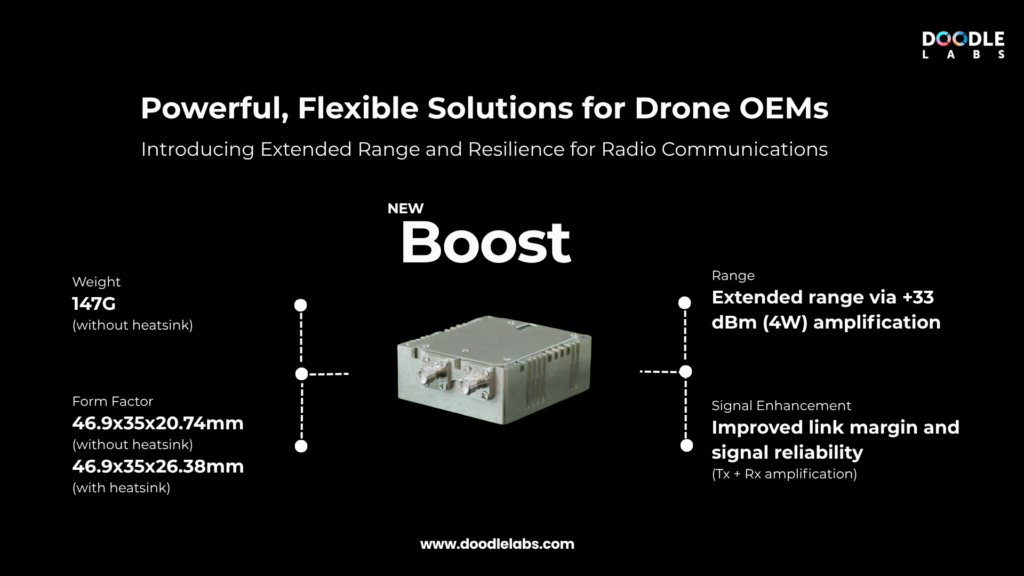
Doodle Labs Is Drone Dominance Ready
The Drone Dominance program sets requirements that single-band, single-technique anti-jamming solutions cannot fully meet. C2 resiliency in contested environments is a primary mandate, and meeting it requires more advanced capabilities than frequency hopping.
Multi-band communications, backed by real-time spectrum intelligence, is how Doodle Labs meets that mandate. Our radios are actively fielded in U.S. defense programs today, are Blue Unmanned Aircraft System (UAS) approved, and are NDAA-compliant.
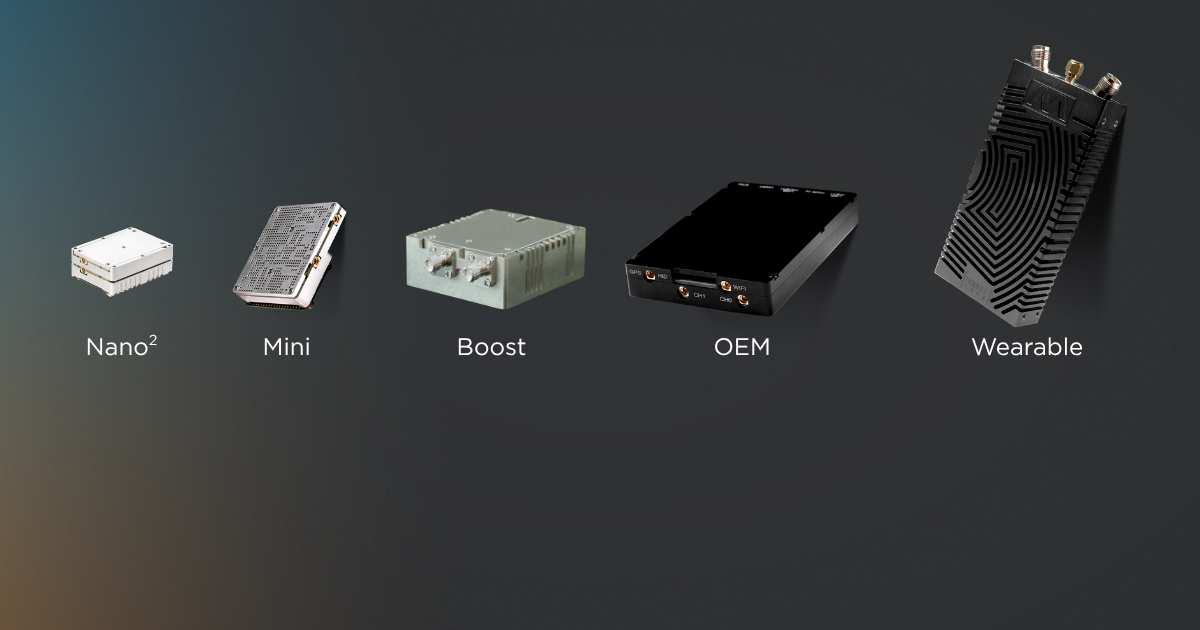
Learn more about Doodle Labs’ Products at https://doodlelabs.com/products/.