


Autonomy is now at the center of focus in the drone industry, influencing most programs and defense investments. However, many so-called autonomous systems still only execute pre-set missions without a pilot.
This is not true autonomy; it is simply advanced pre-programming.
True autonomy requires systems to sense, adapt, collaborate, and make decisions in real situations. Yet most programs overlook the one thing that makes that possible: an enduring, reliable C2 link.
The Autonomy Myth
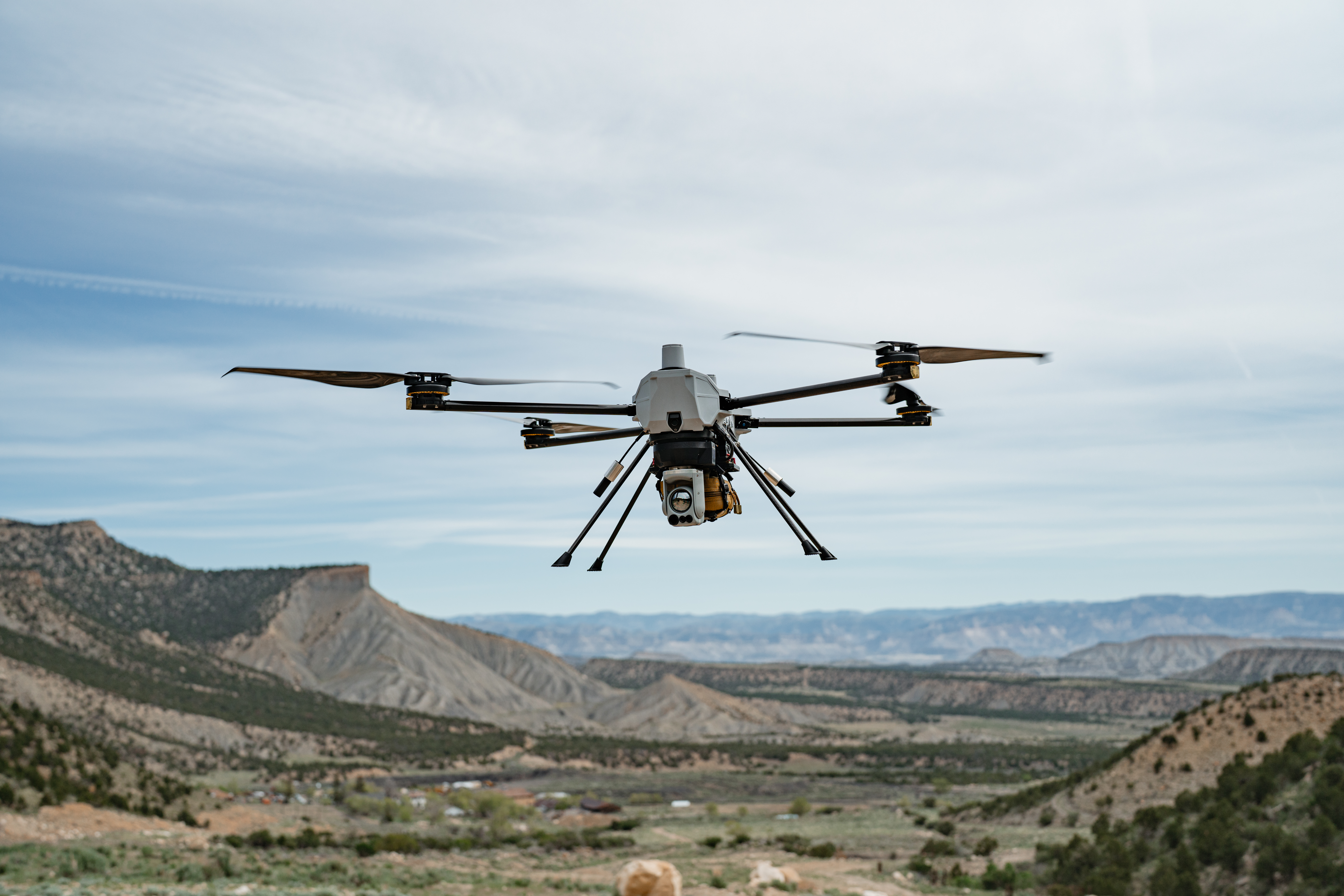
A drone executing a waypoint mission may seem autonomous, but without connectivity, it can only follow pre-loaded instructions. It cannot respond to threats, receive new commands, or allow operator intervention if issues occur.
Without resilient connectivity, a drone is just a sophisticated projectile.
This distinction is important because autonomy is most critical in environments like contested airspaces and GPS-denied areas, where standard radio links are most likely to fail.
What a Truly Autonomous System Needs From Its Link
True autonomy places significant demands on its supporting data link. The following are essential requirements.
- Real-time situational awareness: Autonomous systems require continuous data exchange, including sensor feeds, position updates, and threat information, to make informed decisions. This flow must remain uninterrupted. High-throughput connectivity is essential.
- C2 updates and human override: Even highly autonomous systems must remain accessible. Missions evolve, new threats arise, and operators may need to intervene. Loss of connectivity removes this critical layer of control.
- Swarm coordination: As drone operations expand to coordinated multi-node systems, the link ensures swarm coherence rather than command transmission. A resilient MANET enables nodes to self-form and self-heal, allowing the network to adapt even if individual links degrade or fail. Without coordination, a swarm reduces to a group of individual aircraft.
- Extended operational range: Autonomous missions often extend beyond the visual line of sight, covering significant distances. Reliable long-range connectivity is essential for critical missions and must be considered a baseline requirement.
Contested Environments are the Real Test
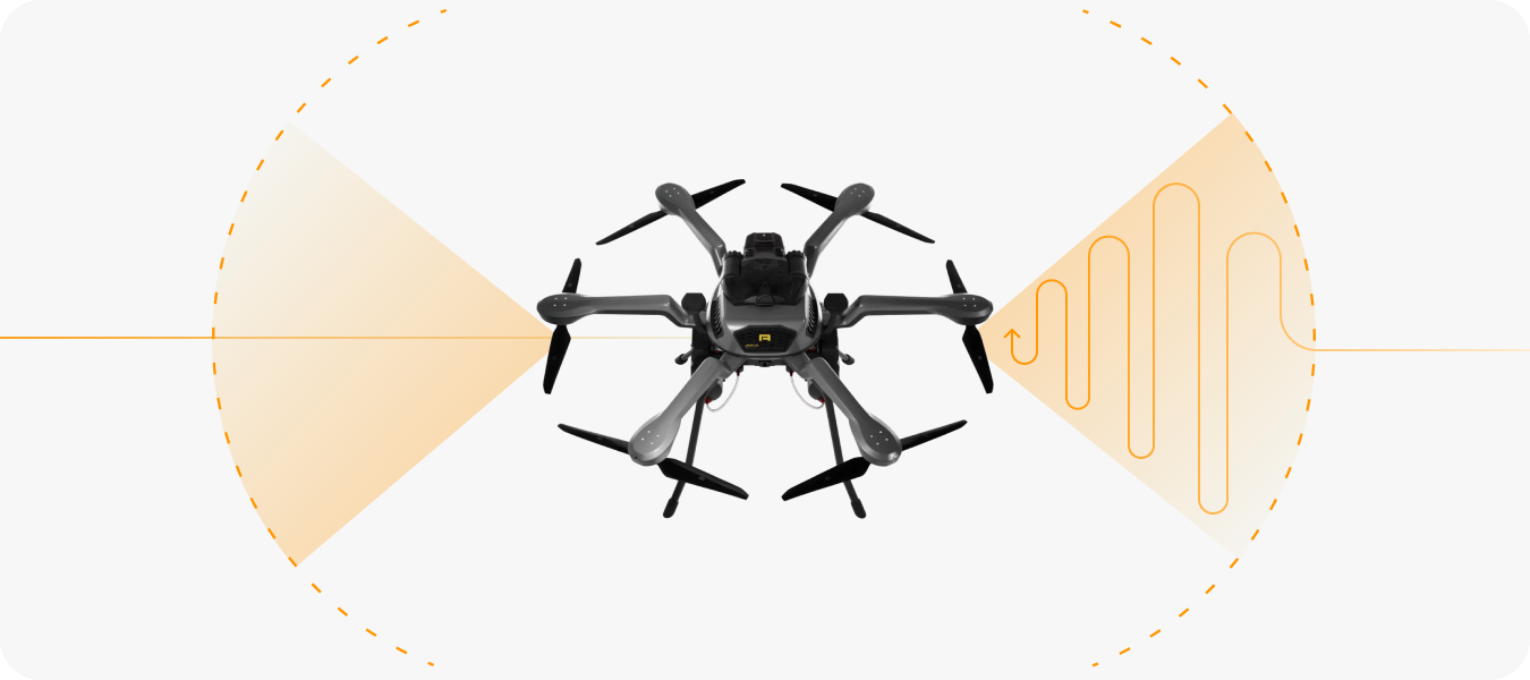
Contested environments expose the limits of autonomous systems. Electronic warfare, jamming, and crowded spectrum not only weaken communications; they also degrade performance. When the link fails, even most advanced platforms revert to basic, pre-set actions.
Frequency agility, interference avoidance, and resilient mesh networking are not advanced features. They are now the foundation.
Connectivity Is the Infrastructure, Not the Accessory
The most common mistake in autonomous system design is treating communications as something to optimize later – a component selected after the platform architecture is set. In practice, the communications layer is load-bearing from the beginning.
At Doodle Labs, our approach to design is mission-proven, frequency-agile, and designed to keep autonomous systems connected. We know that autonomy that fails under stress is not true autonomy and therefore we build our products and technology solutions for actual battlefield conditions and contested environments.
Learn more about Doodle Labs’ Link Assurance at www.doodlelabs.com/electronic-warfare