

As both technologies continued to evolve, the number of applications for both increased, and in some cases, overlapped. Today, we’ve reached a point where, for many wireless applications, a choice must be made between cellular and private broadband. For some applications, the choice is obvious, but for others, it’s not as clear.
The applications with the greatest overlap involve wireless data. This article details the pros and cons of each architecture, with an emphasis on wireless data applications. And one of the surprising things is how broadband is starting to address applications once thought to only be possible for cellular.
Public Cellular Architecture
Cellular architecture utilizes the existing commercial network. That is characterized by licensed, narrow bandwidths and well-defined standards (e.g., 4G, LTE)..
The licensed nature of cellular affords it the opportunity to transmit at higher power levels, which translates to longer range wireless links. The tradeoff of course is its narrow bandwidth, which limits throughput for data applications. Due to the large number of towers, cellular also provides excellent geographic coverage in well-inhabited areas. However, remote areas have low or no coverage.
Pros
- Standards-driven – Well-defined standards mean interoperability among manufacturers, which leads to greater choice and competitive prices for cellphones.
- Non-Line of Sight – Because of high power and low frequency, Cellular signals can more reliably transmit through some walls and obstructions
- Low CapEx – For applications which leverage existing cellular infrastructure, there’s no upfront investment required for base stations.
Cons
- Limited bandwidth – Applications which require high data rates, like 4K video, don’t work well within the constraints of the cellular bandwidths.
- No QoS and high network latency – Since cellular was not originally intended for data, there’s little in the protocols to provide for quality of service (QoS) and low latency data applications.
- High OpEx – The downside to cellular is the recurring monthly service charge, which can be especially high when moving large amounts of data around.
- Limited coverage area – Cellular won’t work outside the cellular footprint such as in rural areas, underground such as in mines, and up in the air for UAVs/drones (cell towers were built to point downwards).
Ideal Use Cases
There are use cases where cellular makes the most sense. These tend to be applications that require high speed mobility and/or lower data rates within the cellular coverage area. Ideal use cases for cellular include the following:
- Mobile voice and data services in urban areas
- Low bandwidth Telemetry without latency constraints (e.g., meter reading)
- Computer aided dispatch (e.g., first responders, fleet management)
Private Broadband Network Architecture
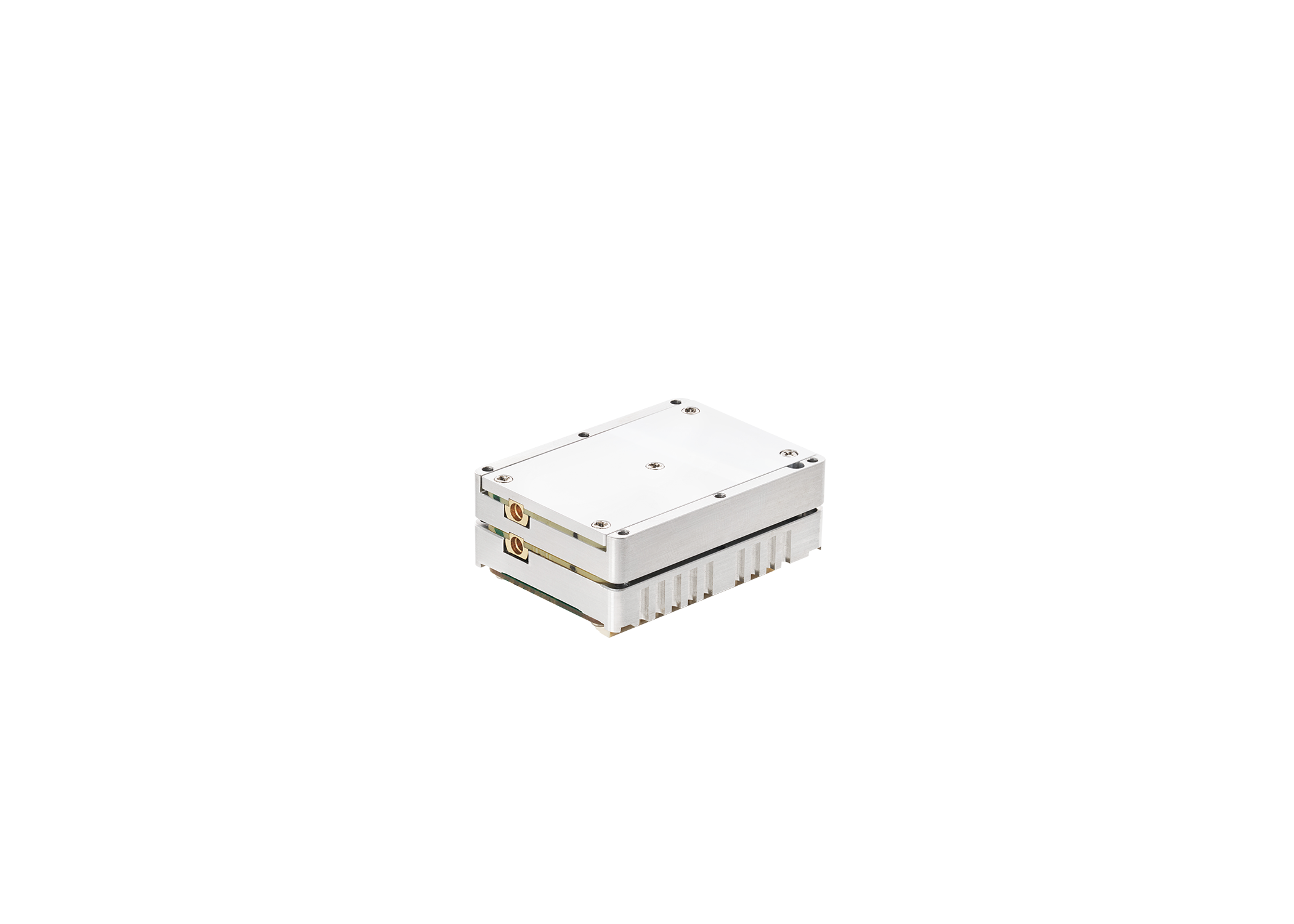
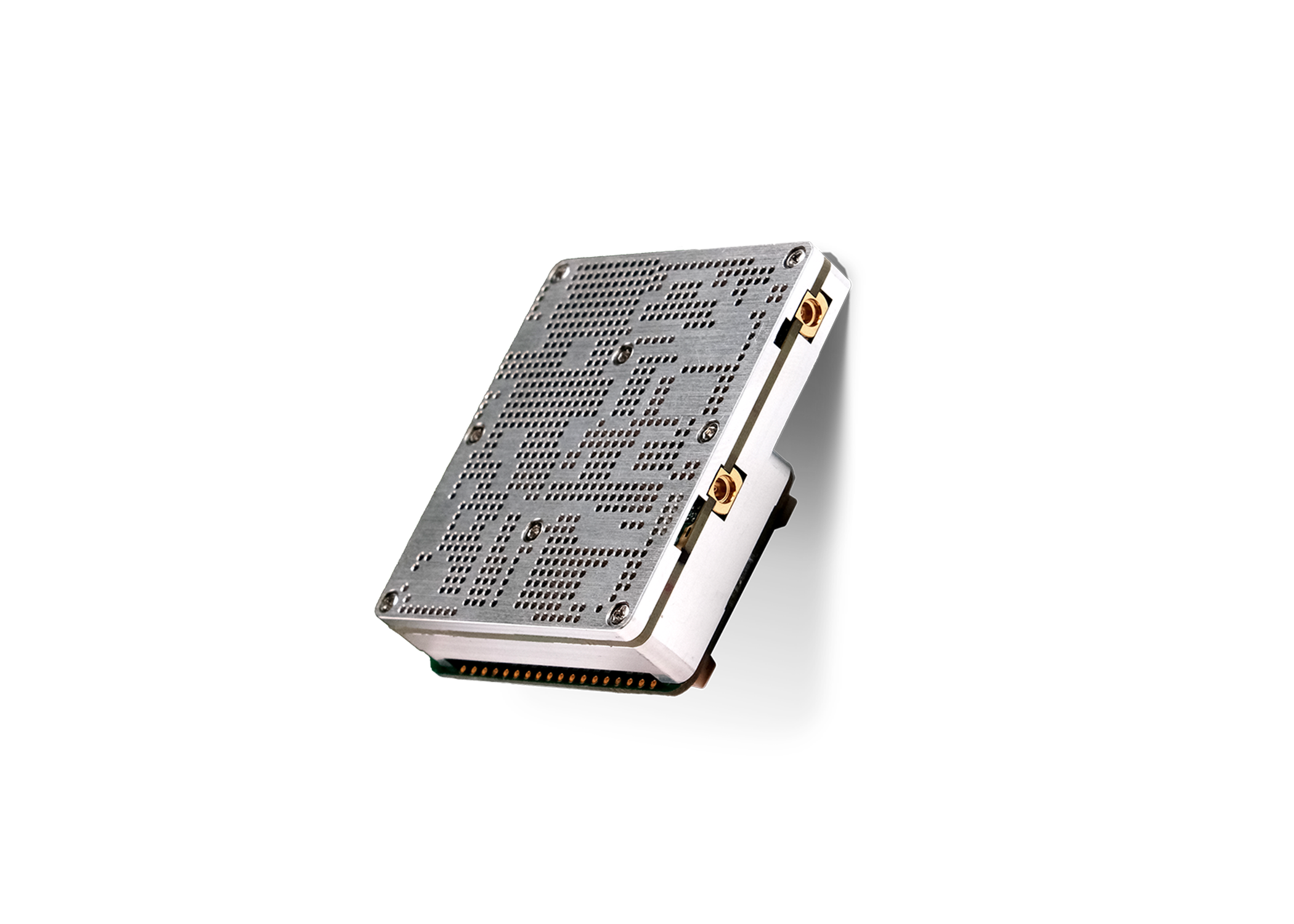
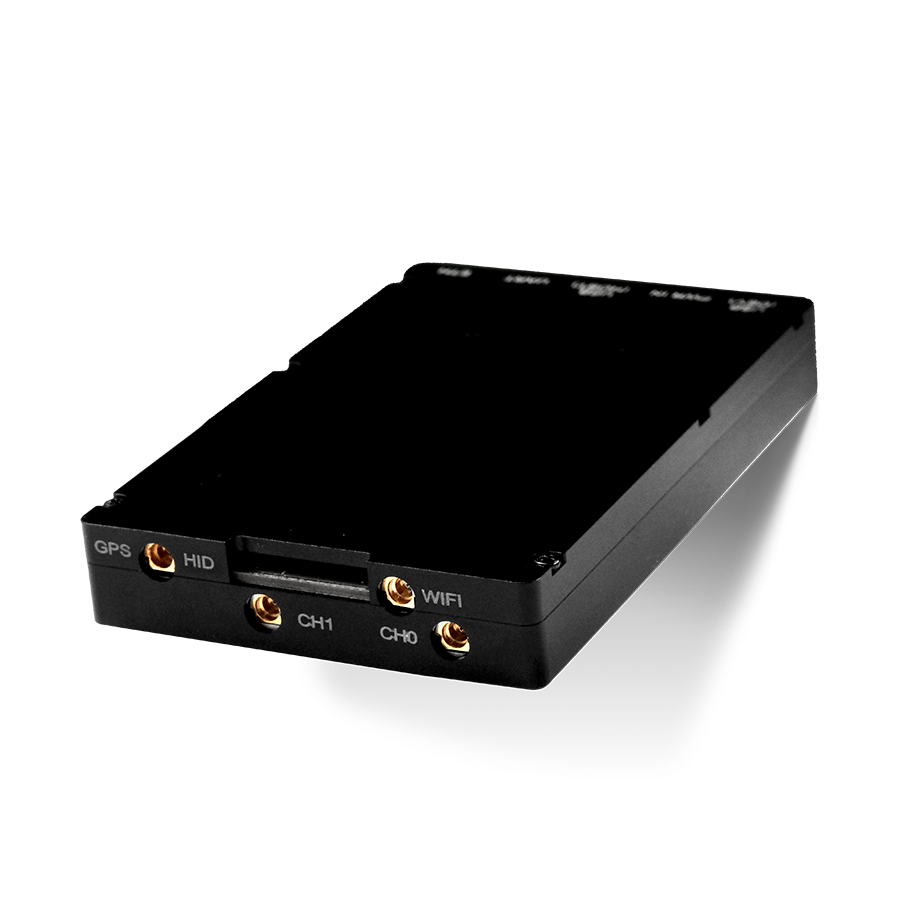
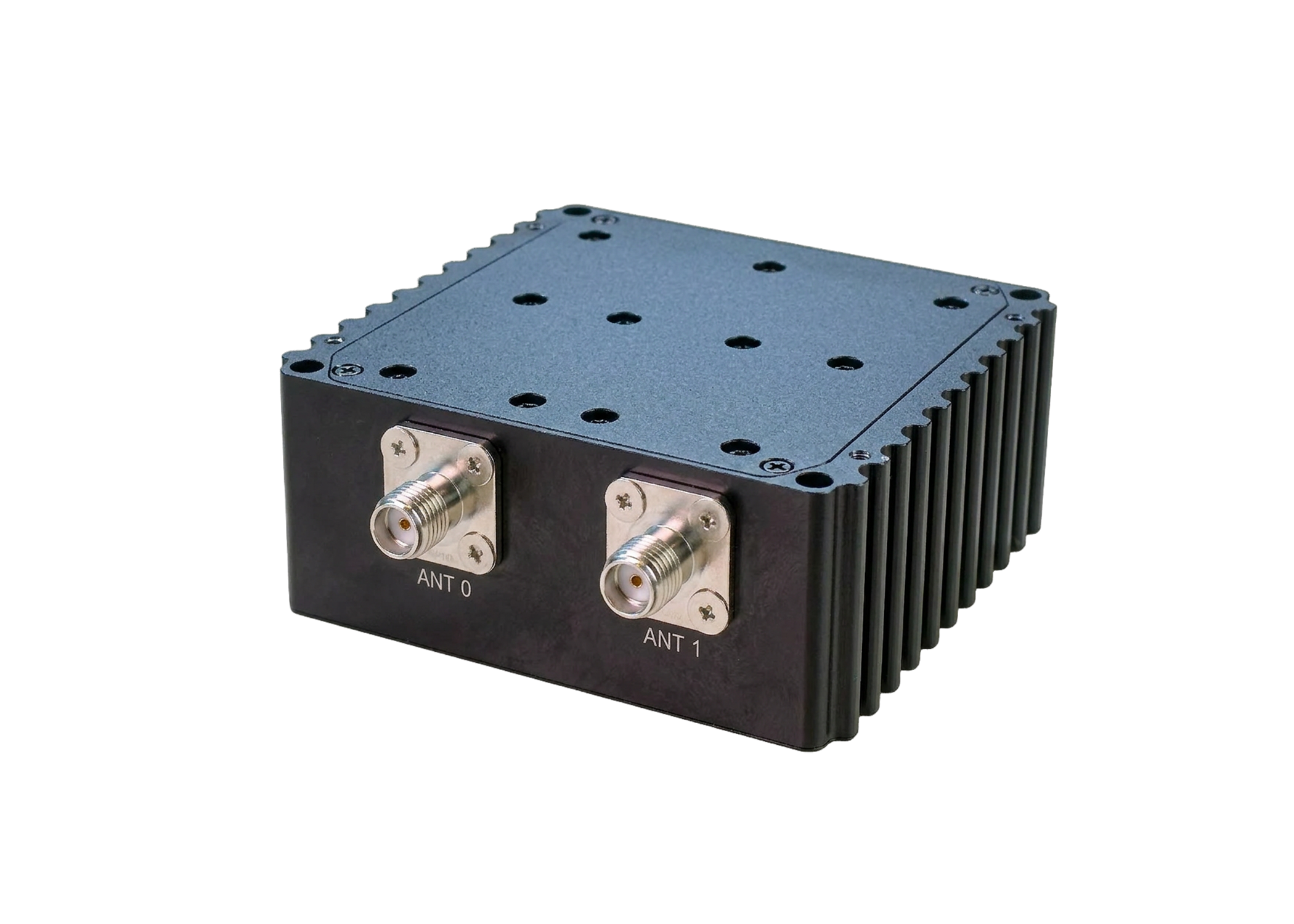
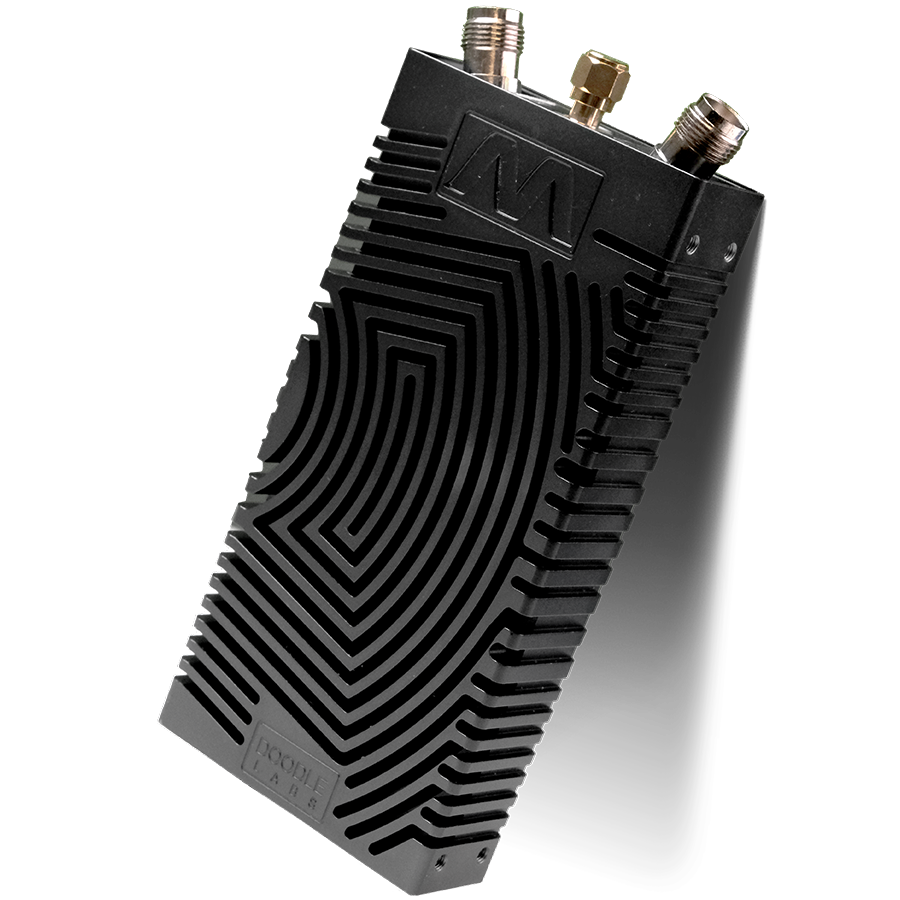
Broadband architecture utilizes equipment specifically designed for broadband communication. In the beginning it used to be limited to short-range, point-to-multipoint connectivity over unlicensed spectrum, but over the last few years it’s come a long way.
Today, broadband architecture can achieve long-range point-to-point, long-range point-to-multipoint communication, and long-range any to any (mesh) over both licensed and unlicensed bands. And because broadband equipment is not as constrained by standards, like cellular, manufacturers are free to innovate and deploy a multitude of technologies to maximize performance around specific applications.
Pros
- High data rate – Bandwidth-intensive applications demand broadband architecture.
- Broad spectrum allocations – Broadband covers frequencies from 200 MHz up to 6 GHz; and with the appropriate permissions, using a licensed band can allow for greater performance due to less interference from competing wireless devices.
- QoS/low latency – For mission-critical applications requiring real-time response, broadband systems can be designed to meet the requirements.
- Greater coverage options – Since broadband is not limited to where and how the network operators deploy it, it can be used to create coverage areas anywhere they’re needed.
- Low OpEx – Because broadband is typically deployed by the private organizations, once it’s up and running there are virtually no costs associated with that network.
Cons
- CapEx – Broadband requires upfront moderate investment.
Ideal Use Cases
There are use cases where broadband makes the most sense. These tend to be machine to machine communications that require high data rates and/or coverage areas not addressed by public cellular deployments. Ideal use cases for broadband include the following:
- Drones
- Ground robots
- High speed streaming data for 4K video
- Private wireless networks for Greenfields like mines, new construction sites and refineries
Conclusion
Like everything else in wireless, public cellular and private broadband offerings and capabilities will continue to evolve. Today it is possible to deploy high performance private broadband networks for machine to machine communications for Industrial IoT with modest upfront capex, trade-in for low opex.
Drop us a note if you’d like to discuss the tradeoffs of public cellular and private broadband for your specific project.