
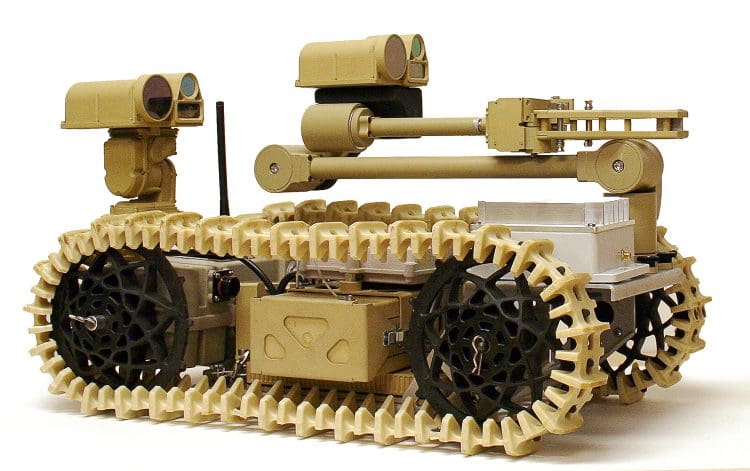
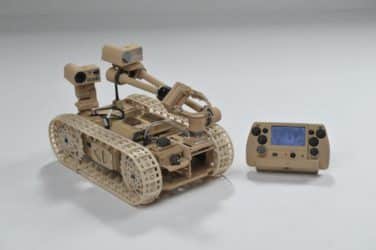
Defense contractor L3Harris (formerly known simply as “Harris”) joined a team led by Northrop Grumman to develop an explosive ordnance disposal (EOD) robot for the US Navy, as part of a program called Advanced Explosive Ordnance Disposal Robotic System (AEODRS).
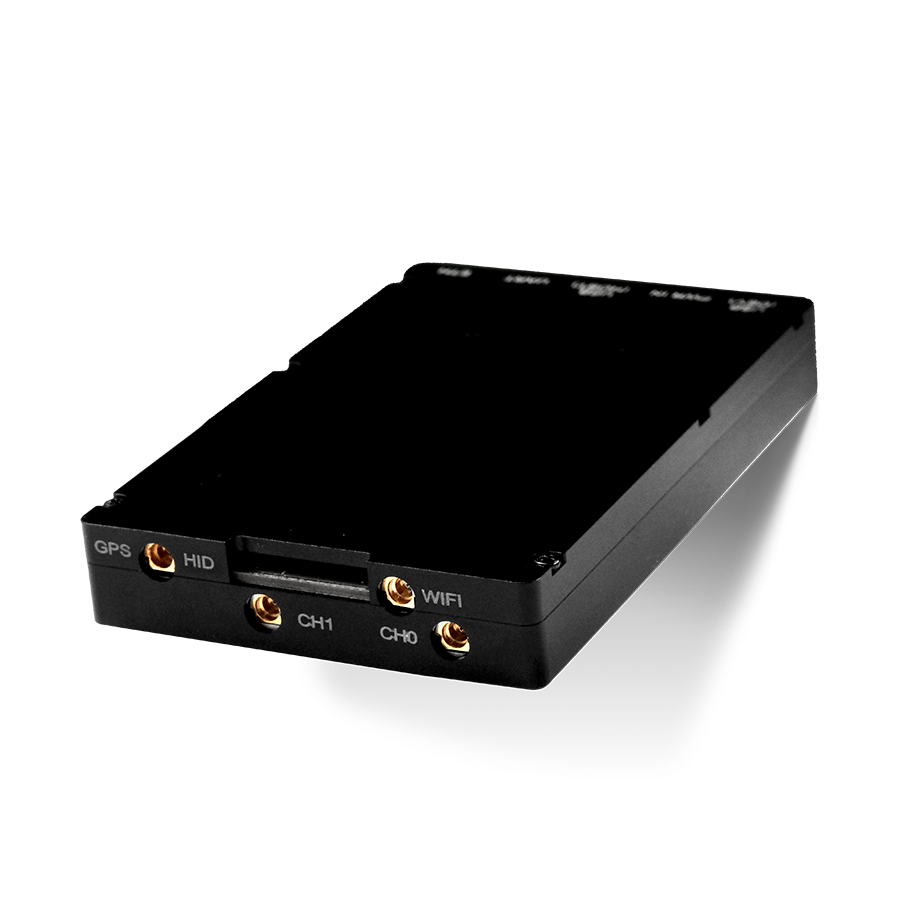
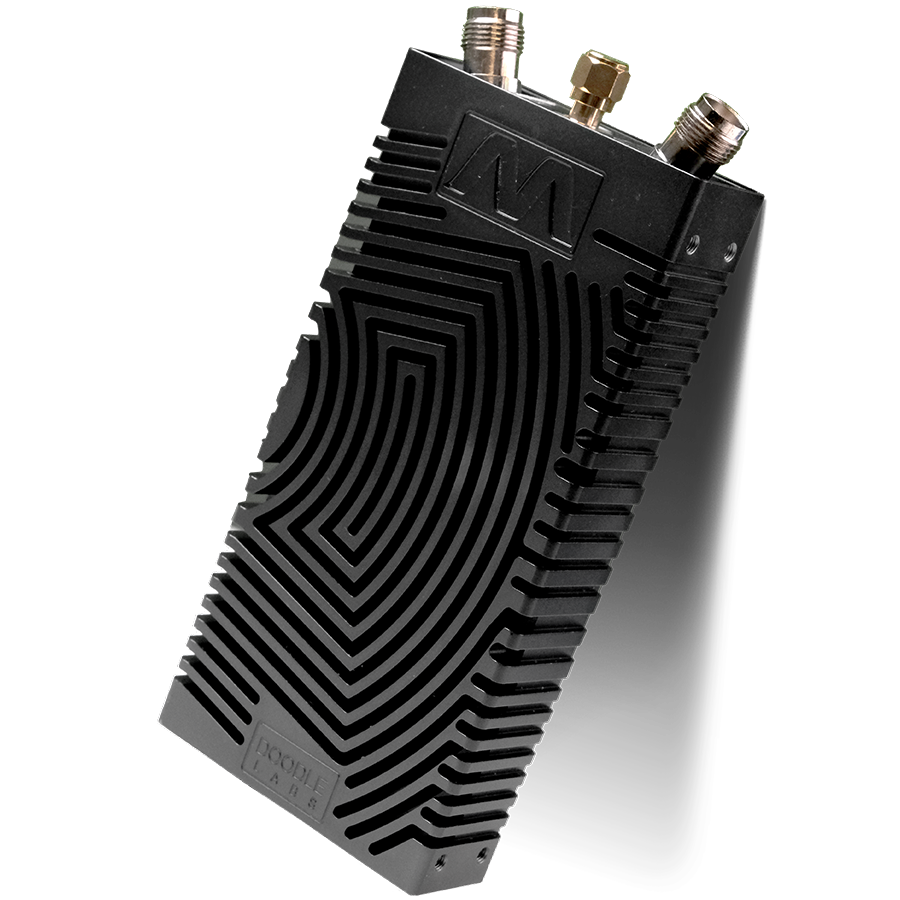
In order to maintain connectivity in the most challenging situations, Harris approached Doodle Labs to develop a MIMO radio customized specifically for the AEODRS Increment 1 robot.
Business Challenge
AEODRS program was formed by Naval Sea Systems Command to create a family of unmanned ground vehicle systems with a high degree of interoperability. Missions include hazardous materials (HAZMAT) cleanup, explosive ordnance disposal, intelligence, surveillance and reconnaissance (ISR), and special weapons and tactics (SWAT) missions. The “back-packable” Increment 1 system weighs less than 35 pounds and comprises the handheld operator control unit, communications link, and a number of capability modules like mobility, manipulation, and autonomous behaviors.
Given the challenging situations in which the AEODRS Increment 1 robot was to be deployed, Harris needed a high-performance communications link. Of most interest was having the ability to maintain connectivity in complete non-line of sight (NLOS) situations, such as through a building and wreckage so that the systems could be operated from 100 meters away. While in this situation, high-throughput data was required so that video could be sent. Fresnel zone interference was also an issue for long-distance communication since the system is only a few feet high. All of this needed to be solved in rugged, vibration-proof construction that operated in extended temperature ranges.
Fresnel zone interference was also an issue for long-distance communication since the system is only a few feet high. All of this needed to be solved in rugged, vibration-proof construction that operated in extended temperature ranges.
Solution
Doodle Labs answered the challenge of customizing a radio solution for the AEODRS Increment 1 robot. Since the end-customer was the military, the team had flexibility in choosing the operating frequency. In partnership with Doodle Labs, a host of experiments were run and it was determined that 1.4 GHz performed best at maintaining connectivity in NLOS situations as radio waves were able to reflect off of buildings to the sides of the obstruction.
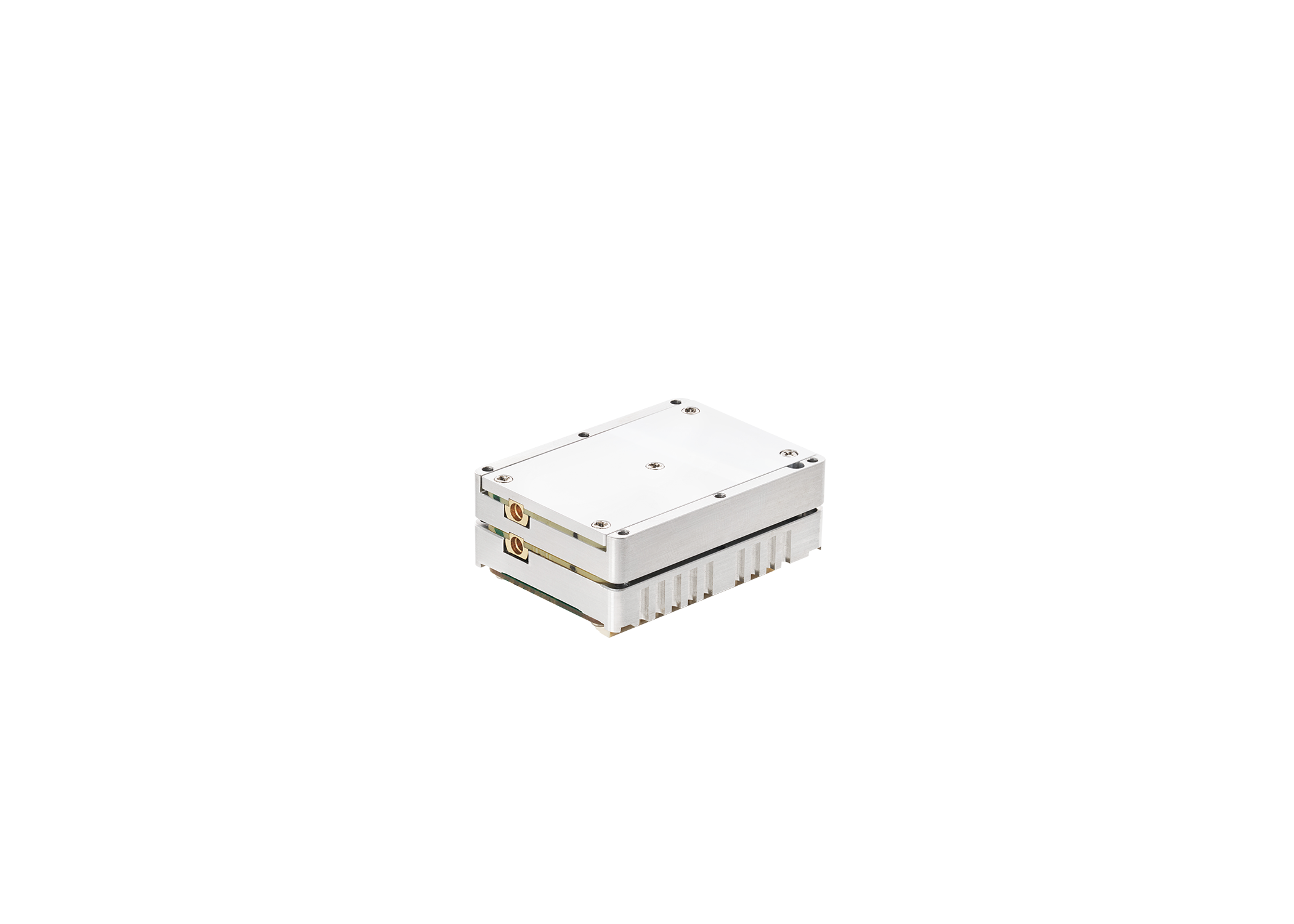
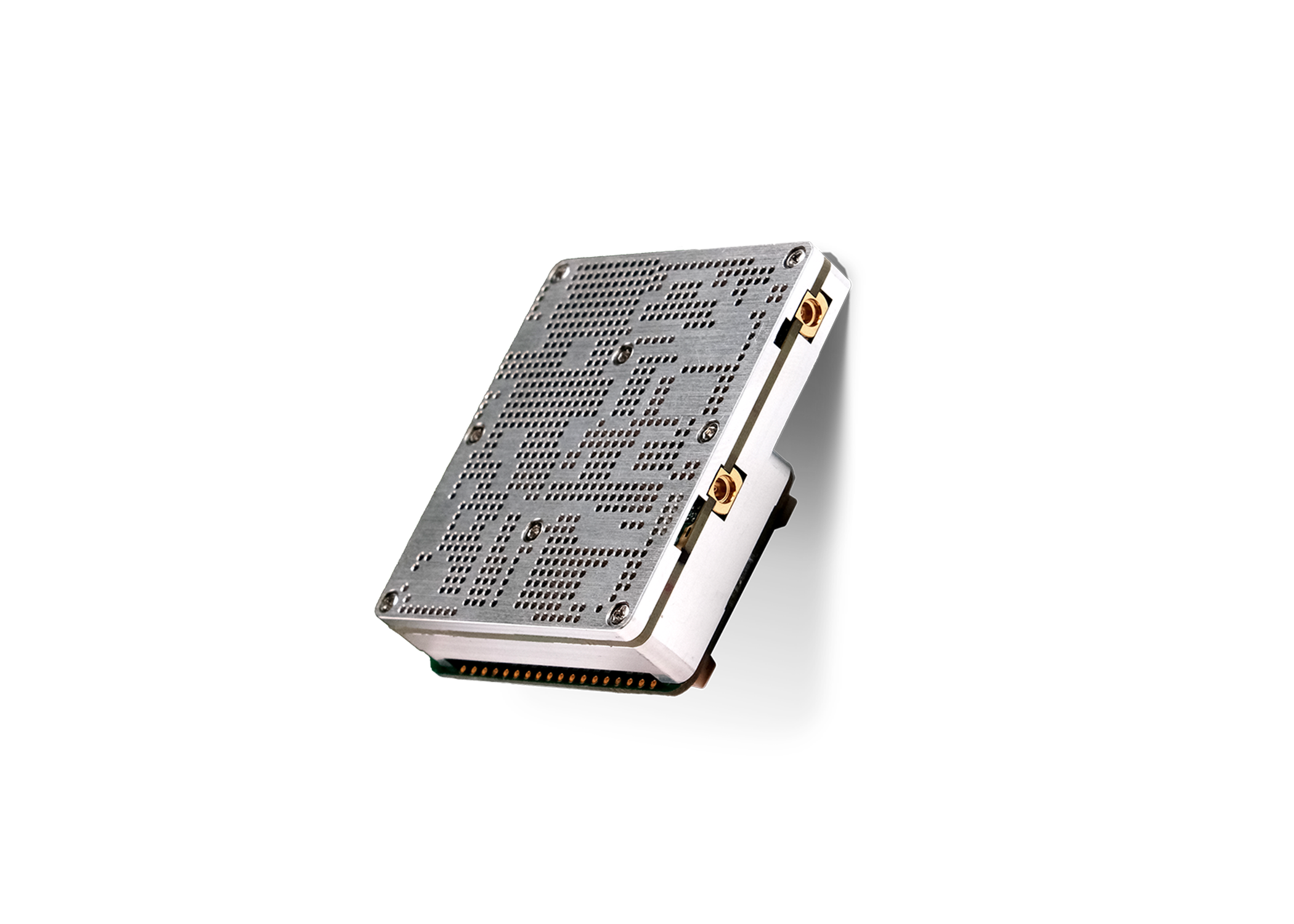
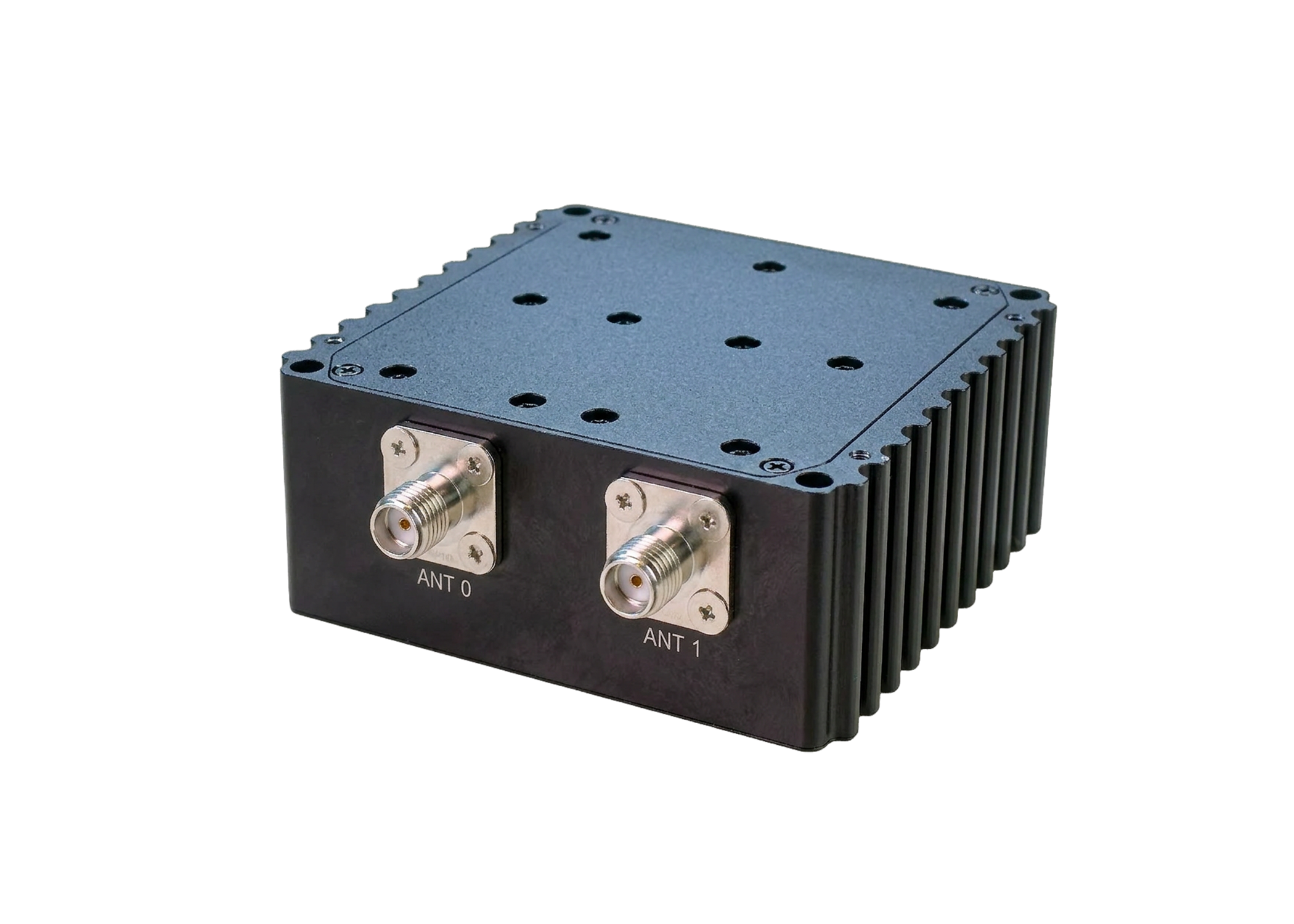
With the 1.4 GHz frequency requirement, the Doodle Labs team designed and constructed a high-power communications system leveraging building blocks from its Industrial Wi-Fi Transceiver family and its Front-End Subsystem (FES) family. The FES took a 2.4 GHz signal from the transceiver and down-shifted it to operate at 1.4 GHz. In addition, the FES also acted as a power booster to ensure connection was never lost.
Results
The completed solution from Doodle Labs was successfully integrated into the AEODRS Increment 1 robot. In field tests, the system was able to double Harris’ 100 meter NLOS requirement and achieve operation from 200 meters away through a building.
The AEODRS Increment 1 robot has now been deployed to government customers around the world, and in the US the AEODRS program has passed the Critical Design Review with the US Navy.
Press release from Northrup Grumman (overall system integrator)